Dreaming of Times Square lights or Golden Gate views, but your wallet screaming ‘no’? In 2026, U.S. cities like NYC and SF top cost-of-living lists, with average daily expenses hitting $200+ for tourists. But I’ve got good news: You can explore these icons for under $100/day. Based on recent data, NYC hotel averages $250/night, but hostels drop it to $50–$70. Food? $58/day if smart.
For UK and USA travelers, these cities offer iconic experiences without the premium price tag if you plan wisely. Whether you’re flying in from London or road-tripping from Chicago, the key is strategic choices in accommodation, transport, and activities. This guide shares 2026-specific tips: inflation-beating bundles, free apps, off-peak deals, and hidden gems that make big-city travel accessible. We’ll cover why these spots are pricy, general hacks, city-by-city breakdowns, budgets, packing essentials, and FAQs to help you save while soaking in the vibes.
Ready to pack? Let’s dive in.
Why These U.S. Cities Are So Expensive in 2026
In 2026, traveling to major U.S. cities comes with a hefty price tag due to a combination of high demand, ongoing inflation (up 3–5% year-over-year), tourism recovery from post-2025 economic shifts, and urban living costs. According to recent reports, the cost-of-living index for NYC stands at 148.2, SF at 142.2, and LA at around 152.2% above the national average. These figures reflect soaring rents, food prices, and service fees, which directly impact visitors.
For instance, in New York City, average round-trip flights hover at $290, while hotels in Manhattan can exceed $250 per night, driven by high real estate values and tourist influxes. San Francisco’s one-bedroom rents average $3,458, pushing hotel rates to $171/night, exacerbated by tech industry wages inflating local economies. Los Angeles sees home prices at $1.36 million, with daily living costs 52% above average, making even casual dining pricey. Chicago and Boston aren’t far behind: Chicago’s energy costs are rising, while Boston’s apartments hit $4,157/month.
Additional factors include mandatory tips (15–20% standard), sales taxes (up to 10%), and hidden fees like resort charges or parking ($50+/day in cities). For UK travelers, exchange rates add another layer, plan for GBP to USD fluctuations around 1.25–1.30. Despite this, these cities offer unparalleled attractions, from NYC’s Broadway to SF’s tech hubs, making them worth the visit if budgeted smartly. The good news? With strategic planning, you can cut costs by 40–50% using free attractions, public transport, and off-peak timing.
But affordability is possible with these proven strategies. (US map highlighting expensive cities)
General Budget Travel Tips for Any Expensive U.S. City
Traveling on a budget in pricey U.S. cities requires a mix of planning, flexibility, and savvy choices. Here’s a comprehensive set of tips drawn from 2026 traveler experiences and expert advice, helping you save across lodging, food, transport, and attractions.
- Book Smart: Bundle flights and hotels for 20–30% savings using sites like Expedia, Kayak, or Skyscanner. Fly midweek or off-season (Jan–Mar or Sept–Nov 2026) to avoid peak prices, flights can drop 25–40%. For UK flyers, check British Airways bundles for transatlantic deals. Use Hopper for price alerts, predicts drops up to 40 days ahead. Consider regional airports like Islip for NYC or Burbank for LA to save on fares and ground transport.
- Accommodation Hacks: Skip city-center hotels ($200+/night) for hostels ($50–$70/night) or budget chains like Motel 6, Super 8, or Econolodge ($60–$90 after tax). Book Airbnb in suburbs with kitchens to cook meals, save $20–$30/day on food. For longer stays, look for vacation rentals or camping via Hipcamp in urban-adjacent parks. Modern hostels in NYC, SF, and Boston offer private rooms with communal vibes, perfect for solo or couple travelers. Use AAA insurance for Hertz discounts if renting a car briefly.
- Eat Cheap: Food trucks and street vendors offer meals for $10–$15, think NYC halal carts or LA tacos. Grocery picnics in parks save even more; shop at Trader Joe’s or Aldi for $5–$10 lunches. Avoid tourist traps, walk a few blocks for local spots with 20–30% lower prices. In 2026, apps like Happy Cow for vegan options or Yelp for deals help find $15–$20 daily totals. Split your budget: 45% lodging, 20% food to keep it balanced.
- Transport: Public passes are gold, NYC MetroCard $34/week, SF MUNI $5/day, LA TAP $1.75/ride. Bike shares (Citibike in NYC, Bay Wheels in SF) cost $4–$5/day. Skip Ubers ($20+ per ride), opt for walkable neighborhoods like Boston’s Back Bay or SF’s Mission District to cut transport to $5–$10/day. For inter-city, use NJ Transit to NYC from nearby areas or Amtrak deals for Midwest hops.
- Free/Cheap Attractions: Leverage museum free days (e.g., MoMA NYC Fridays 4–8pm free), parks like Central Park, or walking tours via Free Tours by Foot (tip-based). CityPASS bundles save 40–50% on top sights ($100–$130 for 3–5 attractions). National Parks Pass $80/year covers multiple urban-adjacent sites like LA’s Griffith Park.
- Apps & Tools: Rome2Rio for transit routes, Trail Wallet for expense tracking, and GoCityCard for discounts. Credit cards with travel rewards (no foreign fees for UK cards) add points for free meals.
| Pros of Bundling | Cons of Bundling |
| 20–30% savings on flights/hotels | Less flexibility in changes |
| Easy one-stop planning | Potential cancellation fees |
| Bonus perks like insurance | Locked into specific dates |
These tips can shave 30–50% off your trip, turning a $1,000 weekly spend into $700 or less. (Infographic of budget hacks)
City-Specific Budget Tips
Each city has unique ways to save, here’s a deep dive with 2026-specific hacks, including free events, local deals, and neighborhood gems.
New York City
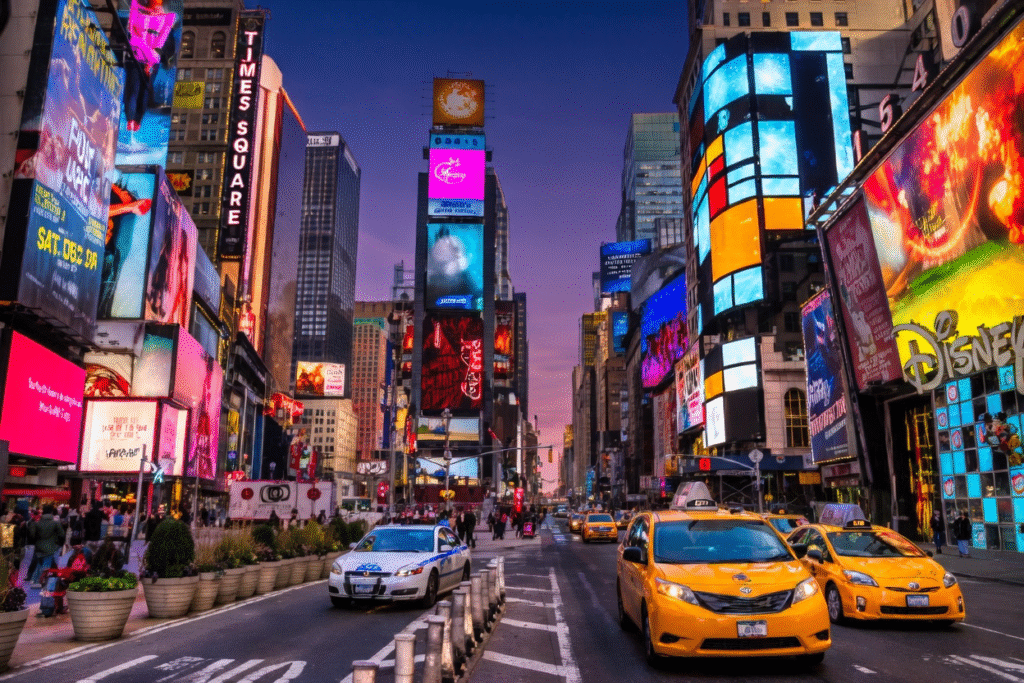
NYC’s energy is unmatched, but costs can soar. Aim for $70–$90/day by staying in Brooklyn or Queens ($60 hostels like HI New York City or local Airbnbs). Use the $34 MetroCard for unlimited rides, explore Williamsburg for street art and cheap eats ($6 halal carts or $10 dumplings in Chinatown). Free attractions include Central Park picnics, High Line walks, and Staten Island Ferry for skyline views (beats $40 boat tours). In 2026, catch free museum days (MoMA Fridays 4–8pm, Whitney pay-what-you-wish Saturdays). Shop thrift in East Village for souvenirs under $20. For nights out, hit free comedy shows in parks or $5 happy hours in Hell’s Kitchen. Avoid Times Square traps, head to Flushing for $8 authentic Asian food. If flying in, use NJ Transit from Newark Airport ($13 to Penn Station). Solo? Join free walking tours for safety and stories.
San Francisco
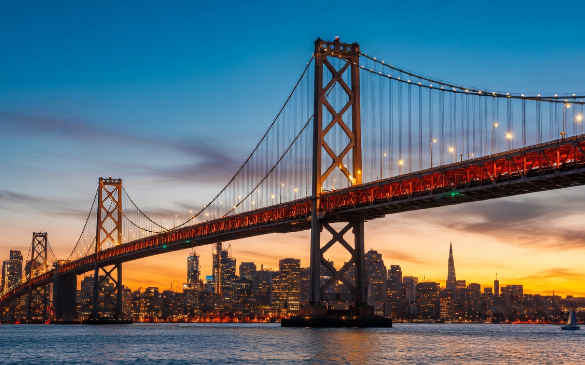
SF’s hills and tech scene come with high prices, but $75–$95/day is doable. Stay in Mission District or Oakland ($80 budget hotels like HI San Francisco Downtown). Get the $5 MUNI day pass for cable cars and buses, walk Golden Gate Bridge (free) or bike rentals ($10/hour). Cheap eats: $10 burritos in Mission, or farmers’ markets for $5 picnic supplies. Free spots: Alcatraz views from Fisherman’s Wharf (skip $41 tour for ferry ride), Dolores Park people-watching, or free SFMOMA entry first Tuesdays. In 2026, use Bay Wheels bikes for $5/day to explore neighborhoods like Haight-Ashbury for vintage shopping under $20. Avoid Ubers, BART from SFO Airport is $9 to city center. Hike Lands End trails for ocean views (free alternative to paid tours). For food, hit Chinatown for $8 dim sum or food trucks at Off the Grid events. Sustainable tip: Refill water at free stations to avoid $3 bottles. (Golden Gate Bridge view)
Los Angeles
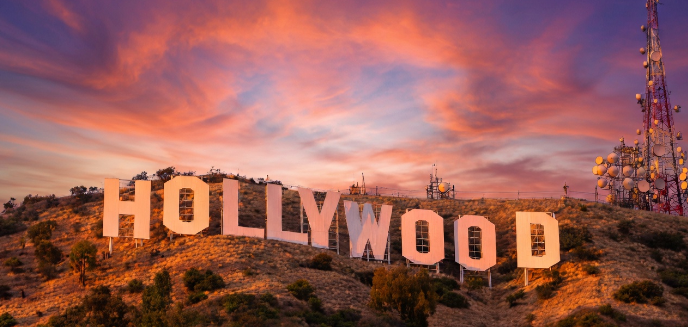
LA’s sprawl makes it tricky, but $65–$85/day works with planning. Stay in Koreatown or Hollywood Burbank area ($70 hostels like Banana Bungalow). Use Metro Bus/TAP card ($1.75/ride or $7/day pass) for beaches and Downtown. Cheap eats: $10 food trucks (tacos in East LA), or Grand Central Market for $8 bowls. Free attractions: Venice Beach boardwalk, Griffith Observatory hikes (stargazing nights), Santa Monica Pier sunsets. In 2026, catch free concerts at Levitt Pavilion or Hollywood Bowl rehearsals. Rent EV scooters ($5/hour) for traffic-free exploration. From LAX, take $3 FlyAway bus. Visit Olvera Street for free cultural history and $5 churros. Avoid celebrity tours, spot stars at Runyon Canyon hikes instead. (Venice Beach scene)
And More (Chicago, Boston)
Chicago: Free Millennium Park concerts, $100 CityPASS for Shedd Aquarium/Skydeck (save 48%), $2.25 CTA rides. Stay in Loop ($60 hostels). Cheap deep-dish slices $5 in neighborhoods. Daily $60–$80. Walk Lakefront Trail for skyline views. Free Lincoln Park Zoo.
Boston: Freedom Trail self-guided walk (free), $50 hostels in Back Bay. MBTA $2.40/ride. Cheap lobster rolls $10 in Quincy Market. Daily $70–$90. Free Harvard tours, Boston Common picnics. Avoid taxis, use Bluebikes $2.95/ride.
Realistic Daily Budget Breakdown
These 2026 estimates are for budget travelers, including buffer for tips/taxes. Adjust for style.
| City | Daily Budget (Budget Traveler) | Key Expenses (2026 Est.) | Savings Tip |
| NYC | $70–$90 | Hostel $50, Food $20 ($10 lunch, $10 dinner), Transit $5, Attractions $10 | Bundle CityPASS for 40% off Empire State/MoMA |
| SF | $75–$95 | Hotel $60, Meals $25 ($12 breakfast picnic, $13 burrito), MUNI $5, Sights $15 | Free Golden Gate walk instead of tours |
| LA | $65–$85 | Accommodation $50, Eats $15 ($8 tacos, $7 salad), Bus $5, Beaches Free | Griffith hikes over paid studios |
| Chicago | $60–$80 | Hostel $45, Food $18, Transit $4, Attractions $8 | Free Park concerts |
| Boston | $70–$90 | Accommodation $50, Meals $20, MBTA $5, Sights $10 | Self-guided Trail |
Track with apps like Trail Wallet for real-time adjustments. (Budget pie chart)
Packing & Planning Essentials for 2026
Planning ahead is key for UK/USA travelers, book 3–6 months early for deals. Use Google Flights for midweek alerts, off-season (Jan–Mar for snow-free visits, Sept–Nov for mild weather). Safety apps like bSafe for solo trips; download offline maps via Google Maps.
Packing list for efficiency:
- Essentials: Reusable water bottle (free fills in parks), portable charger (for long days), comfortable walking shoes (cities are pedestrian-friendly).
- Clothing: Layered outfits for variable weather (SF fog, LA heat), packable rain jacket.
- Tech: Travel adapter (US outlets), noise-canceling headphones for flights/trains.
- Misc: Snacks for airports, credit card with no foreign fees, reusable bag for groceries/picnics.
- Sustainable: Eco-bag, refillable toiletries to reduce waste, many cities have zero-waste initiatives. Support local by choosing eco-transit like buses over rideshares. For UK visitors, pack adapters and ESTA visa docs.
FAQ: Budget Travel to Expensive U.S. Cities
Q1: What’s a realistic daily budget for NYC in 2026?
A: $70–$90 for basics: Hostel, street food, subway, one attraction. Add $20 for splurges.
Q2: Best time for cheap flights to SF?
A: Midweek/off-season (Feb–Apr), avg. $290 round-trip. Avoid summer peaks.
Q3: Free things in LA?
A: Beaches, Griffith Observatory hikes, Venice Boardwalk people-watching.
Q4: Apps for budget travel?
A: Hopper for flight alerts, CityPASS for attractions, Rome2Rio for transit, Trail Wallet for tracking.
Q5: Is bundling worth it?
A: Yes, save 20–30% on flights/hotels, plus perks like insurance.
Q6: Safe for solo travelers?
A: Yes, with common sense, stick to lit areas, use apps like bSafe, join group tours.
Q7: International visitor tips?
A: Get ESTA visa, use no-fee credit cards, download offline maps. Check exchange rates for GBP/USD.
Q8: How to eat cheap?
A: Food trucks/markets $15–$20/day, grocery picnics, walk from tourist areas for lower prices.
Q9: Best for off-season?
A: Jan–Mar for fewer crowds, lower prices (e.g., NYC flights 20% cheaper).
A: Read fine print for resort/parking charges, use public transit, tip 15–20% only where expected.
With these hacks, expensive cities become accessible adventures. Book your trip, share your hacks in comments! And See Our more USA and UK travel guides.