
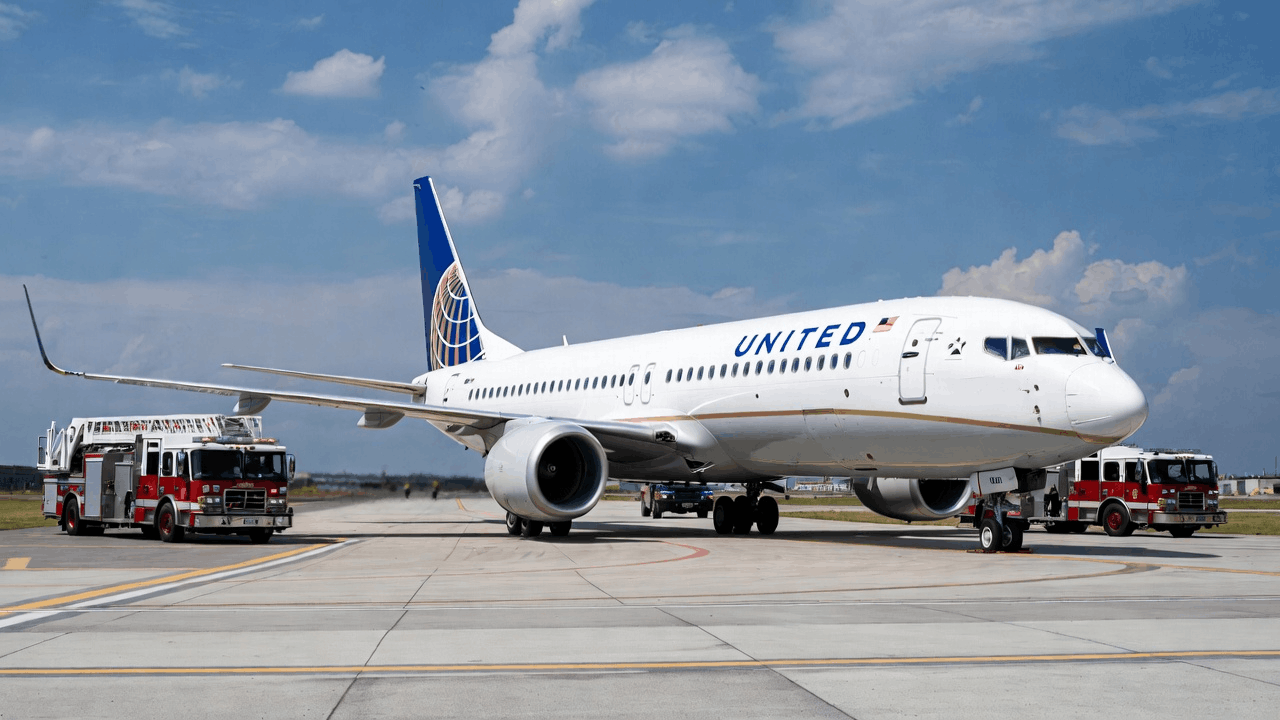
Imagine you’re two hours into a sunny flight to Punta Cana, sipping a drink and daydreaming about white-sand beaches. Suddenly the captain’s voice comes on: “We’re declaring an emergency and diverting…”
That’s exactly what happened on United Flight 1270 on August 10, 2025. The United flight 1270 emergency made headlines around the world and left hundreds of Caribbean-bound travelers wondering: What went wrong? Was it serious? And what does this mean for my next trip?
In this post, we break down the full story behind the United UA1270 emergency diversion, the exact timeline, the most credible cause, real passenger perspectives, and seven practical safety lessons every traveler should know before boarding their next flight. Whether you’re a frequent flyer or planning your first Punta Cana escape, this incident shows why modern aviation is safer than ever, and why preparation still matters.
What Actually Happened? Full Timeline of United Flight 1270
Here’s exactly how the day unfolded (all times CDT):
- 9:29 AM, United Boeing 737-900ER (registration N75426) departs Chicago O’Hare (ORD) on time, climbing to 33,000 feet on its scheduled route to Punta Cana (PUJ).
- ~11:30 AM, Roughly two hours into the flight, while passing the North Carolina coast, the crew initiates a diversion to Newark Liberty International Airport (EWR).
- Immediate action, Pilots declare a general emergency, squawk transponder code 7700 (the international signal for “emergency”), and begin a controlled descent to 10,000 feet.
- 1:55 PM, The aircraft touches down safely on runway 22R at Newark. No injuries, no evacuation slides, no drama on the ground.
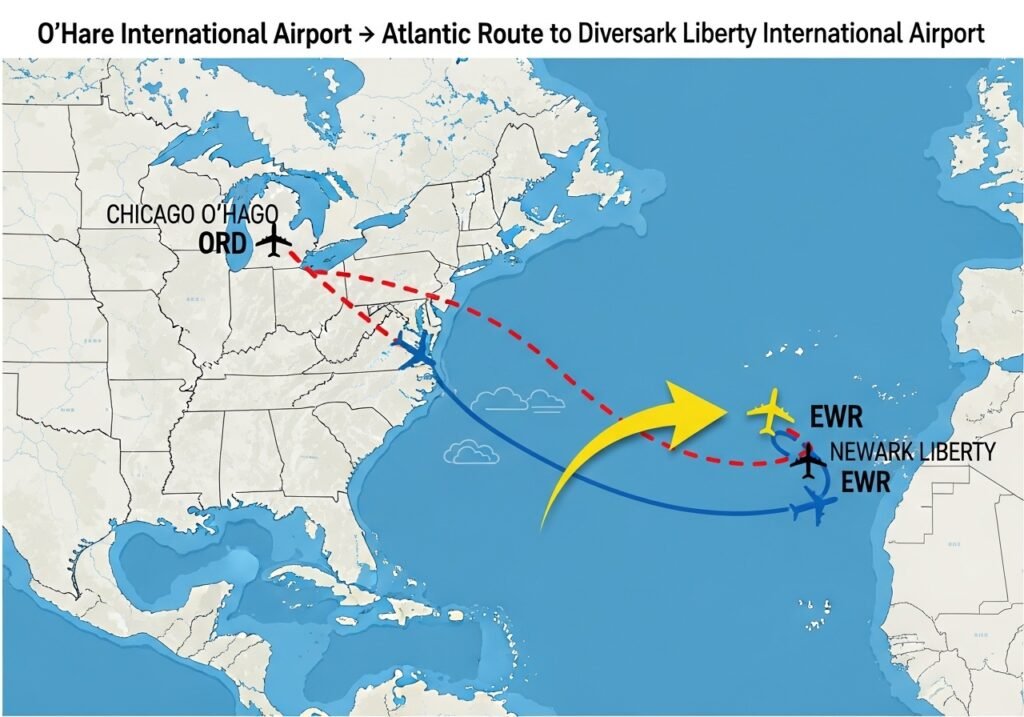
United immediately confirmed the diversion and had a replacement flight scheduled for the same afternoon at 4:00 PM. The entire event was over in under four hours from takeoff to safe landing.
What Caused the United UA1270 Emergency Diversion?
The exact trigger has not been officially confirmed by United Airlines or the NTSB as of the latest reports (March 2026). However, multiple aviation tracking sources and an apparent United insider on Flightradar24 forums point to one consistent explanation:
A mechanical anomaly with the aircraft’s anti-icing system.
The failure meant the plane could no longer safely fly into areas with potential icing conditions, a common winter/upper-atmosphere risk even in summer routes. Rather than risk it, the highly trained crew did exactly what they’re trained to do: declare an emergency early, descend to a safer altitude (10,000 feet), and divert to the nearest major hub with full maintenance capabilities.
Why Newark instead of a closer airport?
- Longer runways for a heavy 737-900ER
- Immediate access to United’s largest maintenance base
- Superior emergency response resources
This was not a pressurization failure, medical emergency, or engine problem (despite early speculation). It was a proactive, by-the-book decision that prevented a much larger issue.
Passenger Stories from United Flight 1270, The Human Side
Detailed first-hand accounts are surprisingly scarce, most passengers simply wanted to get to Punta Cana and moved on quickly. But what has emerged from forums, social media, and tracking communities paints a picture of remarkable calm:
- One passenger tracking the flight live wrote: “The announcement was calm and professional. No screaming, no panic just ‘we’re diverting for a mechanical issue.’”
- Several travelers noted the crew suspended beverage service, asked everyone to keep seatbelts fastened, and kept the cabin lights bright during descent, standard procedure that helped everyone stay composed.
- The biggest “complaint”? The four-hour delay. United had replacement aircraft and crew ready, so most people reached Punta Cana the same day. One couple even posted photos from the beach that evening with the caption: “Delayed, not denied!”
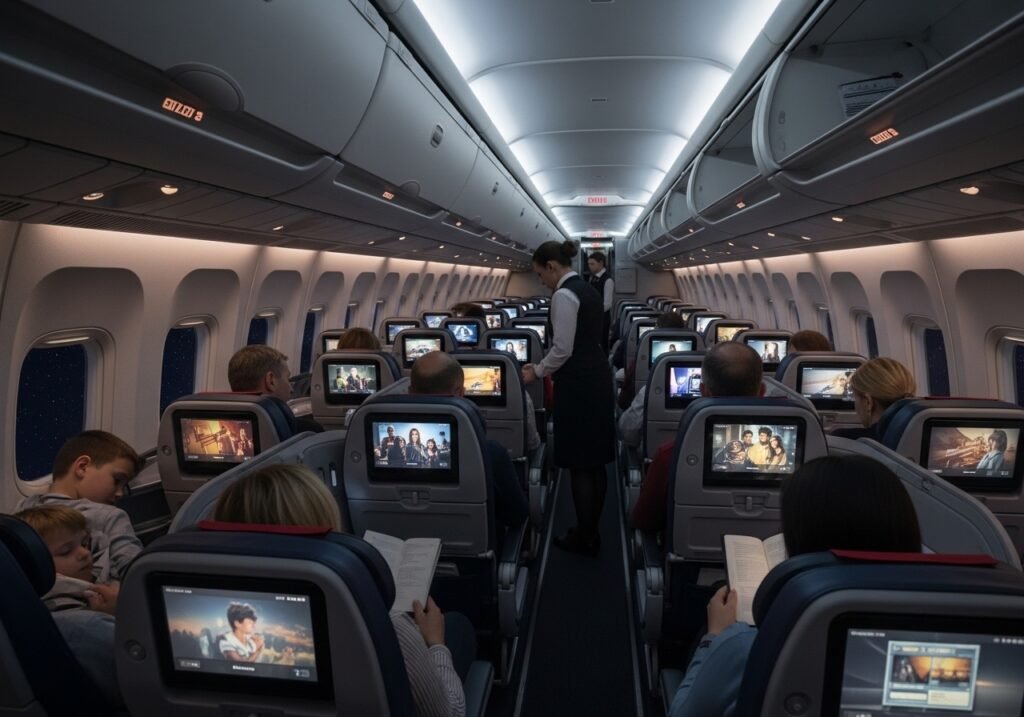
No one was injured. No slides were used. The cabin crew received praise for staying composed and reassuring anxious flyers. In short, the human side of the United flight 1270 emergency was a textbook example of professionalism on both sides of the cockpit door.
7 Safety Lessons Every Traveler Can Use Tomorrow
Incidents like this aren’t common, but when they happen, they remind us why aviation is the safest way to travel. Here are seven actionable tips you can apply on your next flight:
- Always listen to the safety briefing — Even if you’ve heard it 50 times. Knowing where your nearest exit is and how to use the oxygen mask takes seconds but can save lives.
- Understand “squawk 7700” — It simply means the pilots need priority handling. It’s precautionary far more often than catastrophic.
- Keep your seatbelt fastened the entire flight — Turbulence and unexpected descents happen fast. The FAA’s “fasten seatbelt” sign exists for a reason.
- Stay calm when the captain speaks — Panic spreads faster than facts. Crews are trained for these exact scenarios.
- Big-hub diversions are usually safer — Newark had everything the crew needed. Choosing the right alternate over the closest airport often saves the day.
- Know your rights after a diversion — Under U.S. and DOT rules, you’re entitled to rebooking, meals, and (in many cases) compensation if the delay exceeds certain hours. Ask politely but firmly.
- Check aircraft status before boarding — Apps like FlightAware or Flightradar24 let you see the plane’s recent history and age. Peace of mind in 30 seconds.
How United Handled It & What It Means for Your Next Trip
United’s response was swift and passenger-focused: replacement flight the same day, ground staff assisting with connections, and no reported injuries. The airline later confirmed the aircraft was taken out of service for inspection, exactly what travelers want to hear.
For Caribbean-bound flyers, this doesn’t change the fact that United remains one of the largest carriers to Punta Cana. The Boeing 737-900ER has an excellent safety record, and incidents like UA1270 are rare precisely because crews train for them constantly.
Quick Tip Box
United follows the U.S. Passenger Bill of Rights. If your flight is significantly delayed or diverted due to mechanical issues, you may be eligible for meals, hotel vouchers, and rebooking on the next available flight at no extra cost.
Conclusion
The United flight 1270 emergency is ultimately a story of excellence, quick-thinking pilots, calm cabin crew, and systems that worked exactly as designed. No one was hurt, everyone reached their destination the same day, and the traveling public got a powerful reminder that safety is never compromised.
Incidents like this are why I still love flying (and why I write about it). They’re rare, they’re handled professionally, and they make us all a little more prepared for the next adventure.
Have you ever experienced a flight diversion or emergency? Drop your story in the comments. I read every single one!
Safe travels, friends. See you in the skies (hopefully without any 7700s).
Next read: Best Airlines for Long Flights 2026 (Top 10 Ranked by Comfort & Value)
FAQ:
Q1. Was anyone hurt in the United flight 1270 emergency?
A. No. The aircraft landed safely with zero injuries reported.
Q2. Will United give compensation?
A. Most passengers were rebooked the same day. If your delay exceeded DOT thresholds, you may qualify for meals, vouchers, or cash compensation, contact United customer service with your booking reference.
Q3. Is it safe to fly the Boeing 737-900ER?
A. Yes. This aircraft type has one of the best safety records in commercial aviation. The UA1270 incident was precautionary, not structural.
Q4. How often do flights declare emergency and divert?
A. Extremely rarely, less than 0.01% of flights. When they do, 99.9% end safely on the runway.
Q5. Should I avoid United flights to Punta Cana now?
A. Absolutely not. The airline’s response was textbook, and the route remains one of the most popular and safest in the Caribbean.