Introduction: The World Is Waiting And Solo Travelers Are Answering
In early 2026, solo travel search interest hit an all-time high, and the numbers behind that moment are telling. According to recent travel industry research, solo travel bookings have grown by more than 40% over the past three years, making it one of the fastest-rising travel segments globally. Travelers are not simply choosing to go alone because a companion is unavailable. They are choosing it deliberately, as a statement: that intentional, self-directed travel is worth prioritizing.
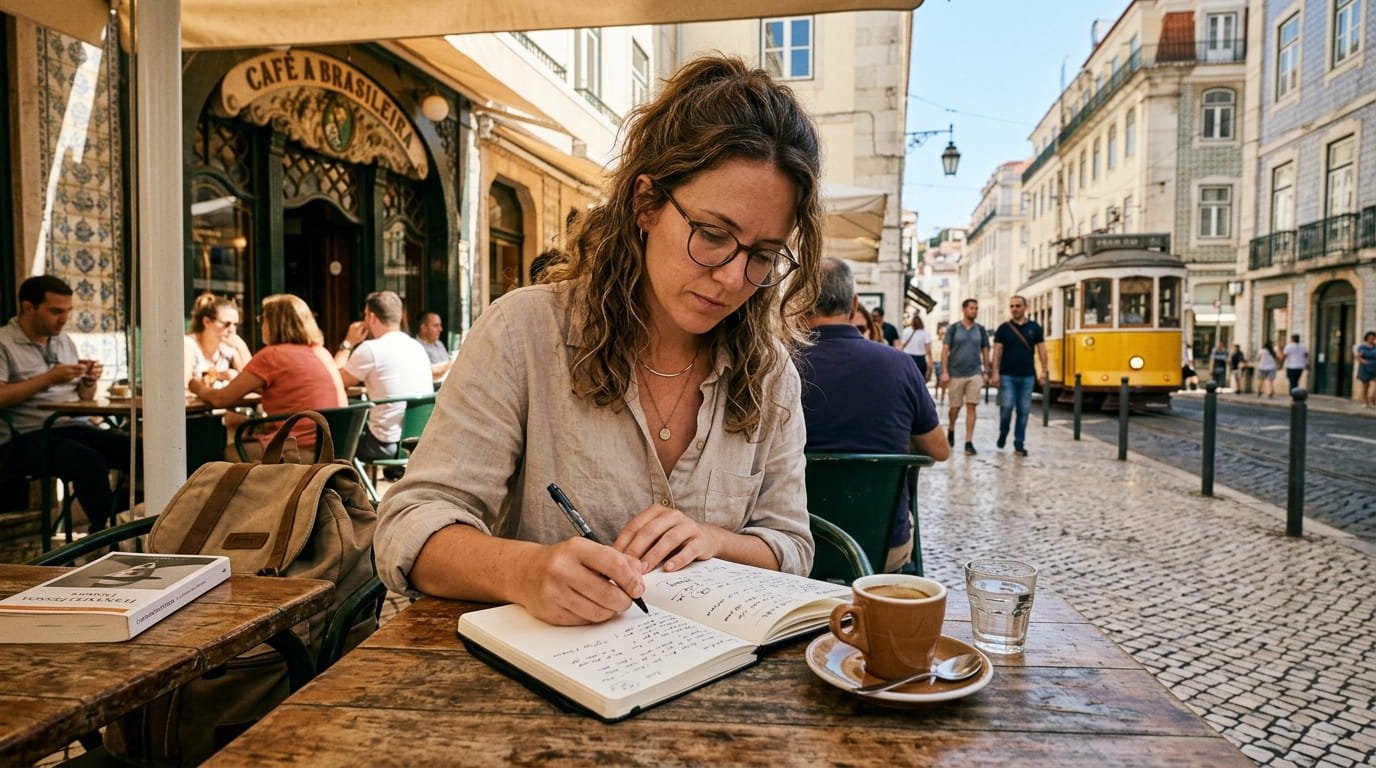
The traveler navigating Lisbon’s Alfama district on a Tuesday morning, notebook open beside a bica espresso, no fixed schedule, no compromises, that is not a rare sight in 2026. It is increasingly the norm. Search interest in solo travel tips reflects a global shift away from passive holidays and toward purposeful, self-reset experiences where every decision is the traveler’s own.
The answer to why solo travel is surging lies in a fundamental shift in how people think about travel itself. After years of disruption and collective exhaustion, travelers are no longer satisfied with passive holidays. They want experiences that challenge them, change them, and connect them, to new cultures, to new communities, and most powerfully, to themselves.
Solo travel delivers all of that, and more.
This guide is designed to be the most comprehensive, up-to-date solo travel resource available in 2026. Whether someone is planning their very first solo trip and feeling equal parts excited and terrified, or they are a seasoned independent traveler looking to refine their approach with the latest strategies, insights, and tools, this guide covers everything.
Inside, readers will find:
- 2026 trend analysis and mindset preparation strategies
- Destination recommendations with safety ratings and budget breakdowns
- Detailed safety frameworks including solo female travel and LGBTQ+ travel guidance
- Budget mastery tactics and regional cost comparisons
- On-the-road logistics for day-to-day life as a solo traveler
- Advanced strategies for slow travel, wellness, and long-term adventures
- Practical tools including checklists, journal prompts, and sample itineraries
At a Glance: 2026 Solo Travel Destination Comparison
Solo travelers often want the data before committing to thousands of words of reading, so here it is, right upfront. This table summarizes the eight most recommended destinations for 2026, with safety ratings, estimated daily budgets, and the traveler type each suits best.
| Destination | Safety Rating (2026) | Est. Daily Budget (USD) | Best For |
| Portugal | ⭐⭐⭐⭐⭐ | $70–$110 | First-timers, culture lovers |
| Japan | ⭐⭐⭐⭐⭐ | $80–$130 | Solo female travelers, food enthusiasts |
| Vietnam | ⭐⭐⭐⭐ | $30–$55 | Budget travelers, backpackers |
| New Zealand | ⭐⭐⭐⭐⭐ | $100–$160 | Adventure seekers, nature lovers |
| Georgia (Caucasus) | ⭐⭐⭐⭐ | $30–$60 | Budget travelers, history buffs |
| Albania | ⭐⭐⭐⭐ | $40–$70 | Off-beat explorers, hikers |
| Oman | ⭐⭐⭐⭐⭐ | $60–$100 | Culture travelers (LGBTQ+: discretion advised*) |
| Colombia (Medellín) | ⭐⭐⭐ | $35–$65 | Digital nomads, city explorers |
Full LGBTQ+ destination notes are covered in the safety section below.
Full destination analysis, including emerging picks, gender-specific recommendations, and what makes each city truly solo-friendly, continues in Section 3: Choosing the Right 2026 Solo Destination.
The solo adventure starts here.
Key Takeaways: What Is Shaping Solo Travel in 2026
Before diving into the full breakdown, here are the three most important shifts defining solo travel this year:
1. The “Me-Moon” is mainstream. Intentional solo self-reset trips, booked alone, by design – have moved from niche to normal. Travelers are planning dedicated personal restoration trips the same way previous generations planned honeymoons.
2. Women 50+ are the fastest-growing solo travel demographic. Empty nests, retirement, and a collective refusal to wait for a companion are driving record bookings from this group, and the travel industry is actively adapting to serve them.
3. Slow travel is the dominant strategy. Speed tourism, five cities in ten days – is declining. In its place: weeks or months in a single destination, with deep local integration, lower costs, and far richer experiences.
Why Solo Travel in 2026? Current Trends and Mindset Preparation
The Boom Is Real – And It Is Only Growing
Solo travel is no longer a niche pursuit for gap-year students or seasoned backpackers. It has evolved into a mainstream lifestyle choice embraced by professionals in their 30s, retirees in their 60s, career-changers, digital nomads, and everyone in between.
Several powerful 2026 trends are shaping how people travel alone:
Slow Travel Over Speed Tourism. The era of rushing through five countries in ten days is fading. Solo travelers in 2026 are increasingly choosing to spend weeks – sometimes months, in a single destination, renting an apartment, joining local classes, and building genuine community. Slow travel reduces costs, deepens experiences, and removes the exhaustion that once made travel feel like another obligation.
The “Me-Moon” Movement. Borrowed from the concept of a honeymoon, the “Me-Moon” is a solo self-reset trip taken intentionally for personal restoration. More travelers are booking week-long solo retreats to Bali, to the Scottish Highlands, to rural Oaxaca, not to escape their lives, but to reconnect with them.
Women 50+ Leading the Charge. One of the most significant demographic shifts in solo travel is the extraordinary rise of women over 50 embarking on solo adventures, many for the first time. Empty nests, retirement, or simply the decision that life is too short to wait for a travel companion have sent this group booking flights in record numbers.
LGBTQ+ Solo Travel Expanding. With more destinations actively marketing themselves as inclusive and welcoming, and with better resources than ever for identifying safe environments, LGBTQ+ solo travelers are exploring with greater confidence in 2026.
Sustainable and Purpose-Driven Journeys. Solo travelers are increasingly choosing experiences with ethical and environmental intent, volunteering abroad, supporting locally owned guesthouses, and selecting overland routes over frequent short-haul flights.
The Real Benefits of Solo Travel
Beyond the trends, the core benefits of traveling alone remain as compelling as ever:
- Complete autonomy: Every day is designed entirely around personal interests and energy levels.
- Accelerated self-knowledge: Making decisions alone, navigating challenges without a support system, and sitting with one’s own thoughts in unfamiliar places builds remarkable self-awareness.
- Deeper cultural immersion: Solo travelers are far more approachable than those in groups. Local people engage more freely, invitations come more often, and conversations go further.
- Radical flexibility: Changed plans, spontaneous detours, and unexpected discoveries are features of solo travel, not bugs.
Mindset Preparation: The Most Overlooked Solo Travel Skill
Many first-time solo travelers spend weeks perfecting their packing list but almost no time preparing their mindset. This is a mistake. The inner journey is just as important as the outer one.
Common fears to address before departure:
- “What if I get lonely?” – Loneliness is real, but it is also temporary and usually signals an opportunity to reach out, explore, or rest. Most solo travelers report that loneliness visits briefly and leaves quickly.
- “What if something goes wrong?” – Something will go wrong. A missed train, a bad hostel, a bout of food poisoning. These moments become the stories worth telling, and surviving them builds genuine confidence.
- “What will people think?” – In 2026, solo travel is celebrated. The traveler eating alone at a restaurant is more likely to be quietly envied than pitied.
Setting meaningful intentions – a simple framework:
Before any solo trip, experienced travelers benefit from answering three questions:
- What am I moving toward? (A skill, an experience, a feeling)
- What am I leaving behind, even temporarily? (Stress, routine, expectations)
- What would make this trip feel successful, regardless of logistics?
Journal Prompts for Solo Travel Preparation:
- What does freedom mean to me when no one else is watching?
- What kind of person do I want to be when I am outside my comfort zone?
- What stories do I want to be able to tell in five years?
Balancing solitude with social connection is also a skill worth developing. Solo travel does not mean being alone every moment. Booking a cooking class, staying in a social hostel for a few nights, or joining a day tour are all easy ways to weave connection into an otherwise independent journey.
Choosing the Right 2026 Solo Destination
What Makes a Destination Truly Solo-Friendly?
Not every destination suits every solo traveler, and choosing well is one of the most important solo travel tips any guide can offer. The right destination can make a first solo trip transformative; the wrong one can make it unnecessarily stressful.
Key criteria for evaluating solo-friendly destinations include:
- Safety infrastructure: Low violent crime rates, reliable emergency services, visible tourist police presence
- Ease of navigation: Reliable public transportation, walkable city centers, good signage
- English-language accessibility: English widely spoken in hospitality and services (important for first-timers)
- Solo traveler community: Active hostel culture, group tours, digital nomad hubs
- Budget practicability: Daily costs that allow comfortable travel without constant financial stress
- Cultural openness: Local attitudes toward solo travelers, especially solo women and LGBTQ+ travelers
Trending Solo Travel Destinations for 2026
Popular and Well-Established:
- Portugal (Lisbon & Porto): Consistently ranked among the safest and most welcoming destinations in Europe. Excellent public transport, affordable by Western European standards, and deeply rich in culture. Outstanding for first-time European solo travelers.
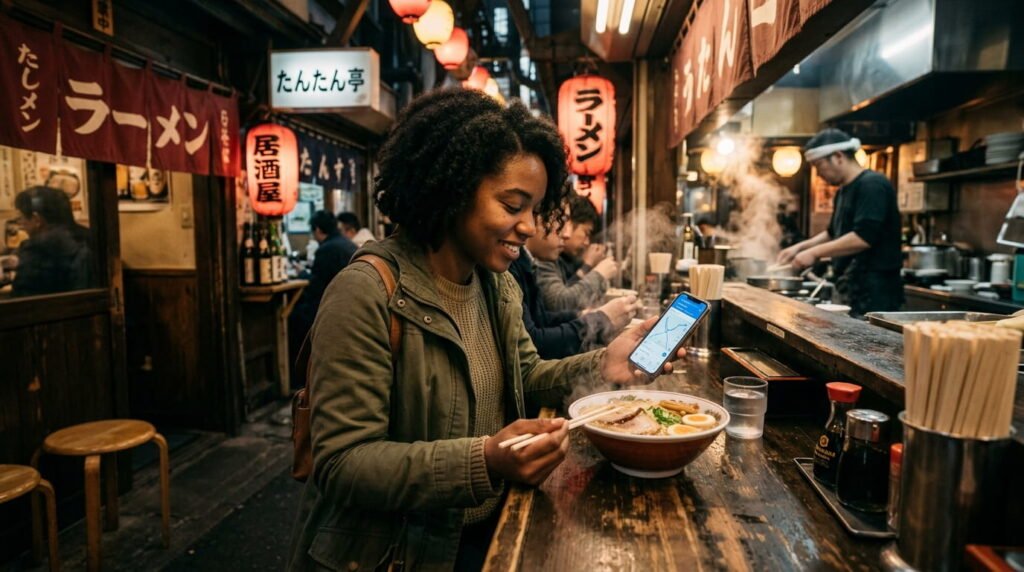
- Japan (Tokyo, Kyoto, Osaka): Exceptionally safe, easy to navigate, and endlessly fascinating. Solo dining culture is completely normalized here, many restaurants have single-seat counters designed specifically for solo diners.
- New Zealand: English-speaking, breathtakingly beautiful, with a mature backpacking infrastructure and a culture that genuinely embraces independent travelers.
Budget-Friendly Destinations:
- Vietnam: One of Southeast Asia’s most compelling destinations for budget-conscious solo travelers. Daily costs of $30–$50 USD are realistic while eating well, staying comfortably, and moving around freely.
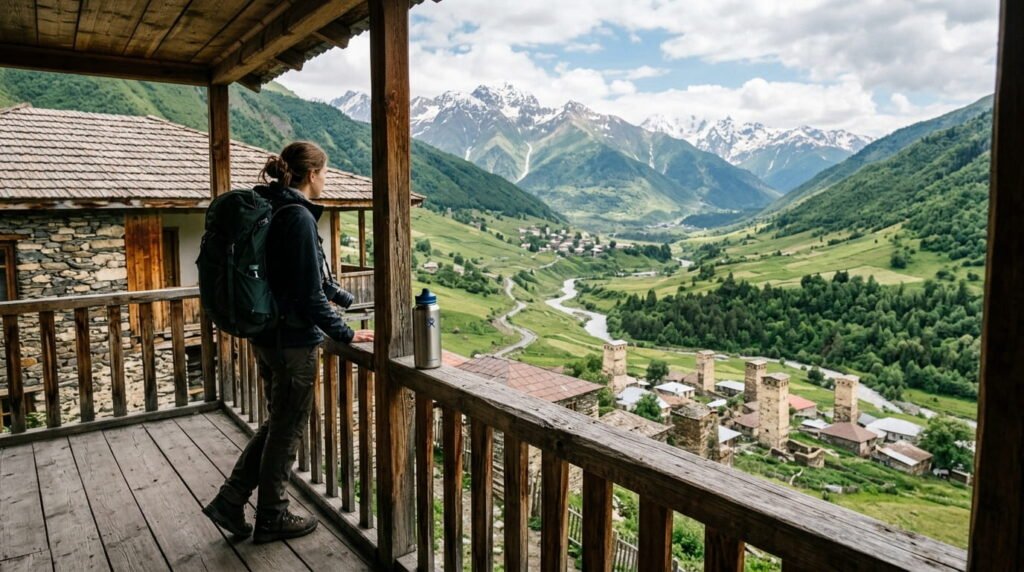
- Georgia (Caucasus): An emerging gem that remains relatively undiscovered. Remarkably affordable, stunningly beautiful, and one of the warmest host cultures in the world.
- Mexico (Oaxaca, Mérida, San Cristóbal): Beyond the resort strips lies an extraordinary country for independent travel. These three cities in particular offer excellent safety records for tourists, vibrant food scenes, and strong local communities.
Emerging Destinations Worth Watching:
- Albania: Fast becoming Europe’s best-kept secret. Dramatic scenery, Mediterranean hospitality, and prices that feel impossibly low by any Western standard.
- Oman: Consistently cited as the Middle East’s most visitor-friendly destination. Extremely safe, spectacularly scenic, and genuinely welcoming to solo travelers of all backgrounds.
- Colombia (Medellín, Cartagena): The transformation of Medellín in particular into a thriving, creative, and surprisingly safe city for travelers continues to draw independent adventurers.
2026 Destination Comparison: Full Reference
The at-a-glance comparison table at the top of this article summarizes safety ratings, daily budgets, and best-fit traveler types for all eight recommended destinations. Return to it anytime, or continue below for the full breakdown of each category with additional context and emerging picks.
Best destinations for solo female travelers in 2026: Japan, Portugal, New Zealand, Iceland, Taiwan, and the Netherlands consistently score highest for female solo traveler safety and comfort.
Best destinations for LGBTQ+ solo travelers in 2026: The Netherlands, Canada, Portugal, New Zealand, and Germany offer robust legal protections and vibrant inclusive communities.
Safety First: Essential Solo Travel Tips for 2026
Conducting Proper Destination Safety Research
Before booking anything, thorough research is non-negotiable. Solo travelers in 2026 have access to better safety information than any previous generation and should use it.
Reliable research sources include:
- Government travel advisories: The UK’s FCDO (Foreign, Commonwealth & Development Office), the US State Department, and Australia’s DFAT all provide regularly updated, country-specific advisories.
- Solo travel communities: Facebook groups such as “Solo Female Travelers” (500K+ members), Reddit communities like r/solotravel, and forums on The Broke Backpacker offer ground-level, real-time feedback from travelers who have recently visited.
- Destination-specific blogs: Seek out travelers who match a similar profile (solo woman, LGBTQ+ traveler, older solo traveler) for the most relevant insights.
General Solo Travel Safety Practices
These foundational habits protect solo travelers in virtually every destination:
Before departure:
- Share a complete itinerary with at least two trusted people at home, including accommodation addresses and flight details.
- Purchase comprehensive travel insurance that covers medical evacuation, trip cancellation, and theft. This is not optional.
- Make digital and physical copies of all critical documents: passport, visa, travel insurance policy, emergency contacts.
- Register with the home country’s embassy or consulate in the destination country.
On the ground:
- Trust the gut. If a person, situation, or neighborhood feels wrong, leave without explanation or apology.
- Avoid displaying expensive items – cameras, jewelry, high-end laptops, unnecessarily in public.
- Learn basic phrases in the local language, including “help,” “police,” and “I need a doctor.”
- Keep at least one emergency cash reserve (ideally $100–$200 USD equivalent) separate from the main wallet.
- Tell accommodation staff about day plans when heading into remote or unfamiliar areas.
Solo Female Travel Safety Tips for 2026
Solo female travelers face specific challenges that deserve dedicated attention. The following strategies are drawn from the collective wisdom of experienced women who travel alone regularly:
- Research dress codes for every destination, not to conform out of fear, but to blend in comfortably and reduce unwanted attention.
- Use female-only dorm rooms in hostels when available and desired.
- Book the first and last night in a well-reviewed, centrally located property – arrival and departure days are highest-risk moments.
- Wear a simple ring on the left hand in conservative destinations where single women face greater scrutiny.
- Have a confident, purposeful walk – body language matters enormously in unfamiliar environments.
- Pre-book airport transfers for late-night arrivals rather than negotiating transport from scratch after a long flight.
LGBTQ+ Solo Travel Considerations
Research the legal and social climate before visiting any destination. Key resources include the ILGA World database of LGBTQ+ laws by country and online communities where LGBTQ+ travelers share recent, firsthand experiences.
In destinations with restrictive laws or social attitudes, discreet travel is safer, avoiding public displays of affection and researching LGBTQ+-friendly accommodation and social venues in advance through apps like Grindr, Scruff, or the Her app for women.
In welcoming destinations, embrace the incredible LGBTQ+ travel communities that exist in cities like Amsterdam, Berlin, Lisbon, and Montreal.
2026 Safety Technology and Apps Every Solo Traveler Should Know
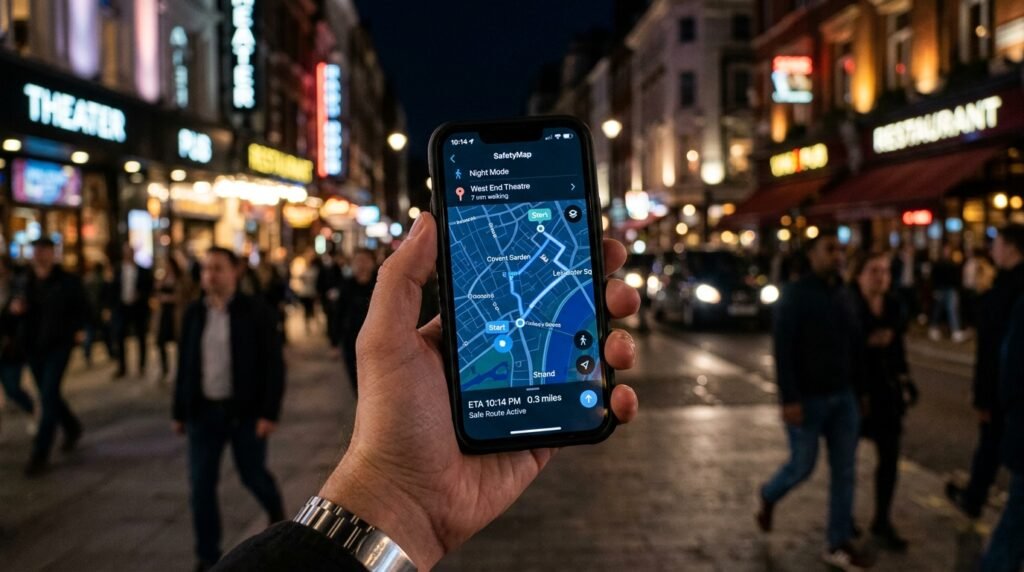
Technology has transformed solo travel safety. The following tools are worth installing before any trip:
- bSafe: A personal safety app with live GPS tracking, an alarm, and a “follow me” feature that lets trusted contacts watch a live journey.
- Google Maps Offline: Download destination maps before departure, essential for navigating without mobile data.
- NordVPN or ExpressVPN: Essential for secure browsing on public WiFi in cafés, hostels, and airports.
- TripWhistle Global SOS: Displays local emergency numbers for every country – police, ambulance, fire – without requiring internet access.
- Noonlight: A discreet panic button app that alerts emergency services with location if a silent alarm is triggered.
What to Do If… Real-Life Scenario Guide
If a bag or wallet is stolen: Report immediately to local police and obtain a written police report (essential for insurance claims). Contact the bank to freeze cards via the bank’s app. Access emergency cash reserve. Contact the nearest embassy if passport is taken.
If accommodation is unsafe or unacceptable: Leave immediately without confrontation. Contact the booking platform for a refund and document the issues with photos. Find alternative accommodation first; fight for the refund second.
If feeling followed or threatened in public: Enter a busy, well-lit public space, a café, a shop, a hotel lobby. Ask staff for help. Call local emergency services if necessary. Do not lead the situation toward a quieter area.
If falling seriously ill: Contact the travel insurance emergency line immediately, most policies provide a 24-hour assistance number. Go to a hospital rather than a clinic for serious symptoms. Inform accommodation staff.
Pre-Departure Safety Checklist
- Travel insurance purchased and policy document saved digitally
- Itinerary shared with two trusted contacts at home
- Embassy registration completed
- Document copies made (digital + physical)
- Emergency contact list saved offline on phone
- Safety apps downloaded and configured
- VPN installed and tested
- Emergency cash reserve prepared
- Local emergency numbers noted for each destination
- First night accommodation pre-booked and confirmed
Mastering Budget Solo Travel in 2026
Understanding Realistic Regional Daily Budgets
One of the most common solo travel misconceptions is that it is automatically more expensive than traveling with others. While the single supplement issue is real (more on that shortly), smart solo travelers consistently find ways to travel for equal or less than group travelers, because every decision is optimized for one.
Regional daily budget benchmarks for 2026:
| Region | Budget (USD/day) | Mid-Range (USD/day) | Comfortable (USD/day) |
| Southeast Asia | $25–$45 | $60–$90 | $120–$180 |
| Eastern Europe | $35–$55 | $70–$110 | $150–$250 |
| Western Europe | $80–$120 | $150–$220 | $280–$400+ |
| Central & South America | $30–$55 | $65–$100 | $130–$200 |
| Japan | $70–$100 | $120–$180 | $220–$350 |
| Australia / New Zealand | $85–$130 | $160–$240 | $280–$450 |
| Middle East (Jordan, Oman) | $50–$80 | $100–$160 | $200–$350 |
Budgets include accommodation, food, local transport, and activities. International flights are excluded.
Practical Budget-Saving Strategies for Solo Travelers
Embrace Slow Travel for Maximum Savings. Moving between destinations is one of the biggest cost drivers in any trip. Staying in one place for two to three weeks instead of two to three days reduces transport costs dramatically, often unlocks weekly accommodation discounts, and allows travelers to shop at local markets and cook occasional meals, all while experiencing far more depth.
Accommodation Strategies for Solo Travelers:
- Hostels with private rooms: The best of both worlds, private space at a fraction of hotel prices, with access to social communal areas.
- Guesthouses and B&Bs: Family-run establishments often charge less than hotels and provide far more personal service and local knowledge.
- Couchsurfing: Still an active community in 2026, particularly in Eastern Europe, South America, and Southeast Asia. Completely free and often deeply enriching, but requires careful profile vetting.
- Long-stay apartments: For trips of two weeks or longer, platforms like Airbnb, Booking.com monthly stays, or local rental platforms often cost less per night than budget hotels while providing kitchen facilities.
- House-sitting: Platforms like TrustedHousesitters allow solo travelers to stay rent-free in private homes in exchange for caring for pets. An extraordinary budget hack that often opens doors to high-end accommodations in desirable destinations.
Defeating the Single Supplement:
The single supplement – the extra charge hotels impose on single occupancy of a double room, is one of solo travel’s most frustrating financial realities. Strategies to avoid it include:
- Book hostels and guesthouses, where solo pricing is standard.
- Use booking platforms that allow room-type filtering to find “single room” options.
- Travel during shoulder season when hotels are more likely to waive or reduce supplements to fill rooms.
- Choose tour operators that specifically market no-single-supplement tours (increasingly common in 2026).
Transportation Hacks:
- Purchase regional rail passes (Eurail in Europe, JR Pass in Japan) for multi-city itineraries – far cheaper than individual tickets booked last-minute.
- Use bus travel for shorter distances – often 5–10 times cheaper than trains.
- In Southeast Asia, overnight buses and trains eliminate both transport and accommodation costs for a night.
- Walk whenever possible – free, healthy, and often the best way to discover unexpected gems.
Smart Packing That Saves Money
- Carry a reusable water bottle with a filter (LifeStraw or Grayl) – eliminates constant bottled water purchases.
- Pack a lightweight travel towel – avoids towel rental fees at hostels.
- Bring a small padlock – protects lockers in shared accommodation.
- Pack a universal power adapter – airport and hotel purchase prices are exorbitant.
- Include a small first aid kit – minor illness supplies cost far more at tourist destinations.
Sample 10-Day Budget Itinerary: Vietnam
| Day | Location | Accommodation | Food | Transport | Activities | Daily Total |
| 1–2 | Hanoi | Hostel private ($18) | $12 | $5 (airport bus) | $15 (Old Quarter tour) | ~$50 |
| 3–4 | Ha Long Bay | Cruise package ($75/night) | Included | $20 (bus) | Included | ~$85 |
| 5–6 | Hội An | Guesthouse ($22) | $14 | $30 (train) | $12 (cooking class) | ~$50 |
| 7–8 | Đà Nẵng | Hostel ($15) | $12 | $10 (Grab) | $18 (Marble Mountains) | ~$42 |
| 9–10 | Ho Chi Minh City | Budget hotel ($25) | $14 | $8 | $15 (Cu Chi Tunnels) | ~$52 |
Estimated 10-day total (excluding flights): $520–$580 USD
On-the-Road Solo Travel Tips: Logistics, Experiences, and Well-Being
Managing Day-to-Day Logistics
The operational side of solo travel becomes second nature quickly, but a few strategies make the learning curve easier.
Transportation planning: Always research local transport options before arriving in a new city. Apps like Citymapper (urban transport), Rome2rio (route planning between cities), and local ride-hailing equivalents (Grab in Southeast Asia, Bolt in Europe, Careem in the Middle East) eliminate the guesswork and the vulnerability of being obviously lost. For solo travelers heading to major urban centers, dedicated city guides can shortcut hours of pre-trip research – see the site’s solo travel breakdowns for [London →], [Denver →], [Chicago →], and [New Orleans →], each of which covers transport, safe neighborhoods, walking tours, and budget accommodation picks specifics.
Managing decision fatigue: One of solo travel’s hidden challenges is the cumulative weight of making every decision alone, where to eat, what to see, when to move. Experienced solo travelers manage this by:
- Planning the first two hours of each day (breakfast location, first activity) the evening before, leaving the rest flexible.
- Allowing one “free” day per week with absolutely no plans, permission to wander without agenda.
- Accepting a “good enough” restaurant rather than spending 45 minutes reviewing options on an empty stomach.
Building effective daily rhythms: Solo travel works best with a loose structure. Many experienced travelers find that rising early (before tourist crowds), spending mornings on significant sights, using afternoons for slower exploration or rest, and reserving evenings for social interaction creates a satisfying and sustainable daily pattern.
Choosing the Right Accommodation for Each Phase
Accommodation is not just about where to sleep, it shapes the entire social texture of a solo trip.
- Wanting connection? Choose social hostels, book a bed in a dorm, eat at communal tables, and join hostel-organized events.
- Wanting solitude and restoration? Choose a private guesthouse room, a quiet B&B, or a self-contained apartment.
- Somewhere in between? A boutique hostel with private rooms hits the sweet spot: privacy at night, community by day.
The best solo travelers develop the self-awareness to know what they need at each stage of a trip and book accordingly.
Handling Loneliness with Honesty and Strategy
Loneliness is the part of solo travel that nobody talks about enough, and yet it visits almost every solo traveler at some point. The important distinction is between loneliness (an emotional signal, often temporary) and solitude (a chosen and often deeply satisfying state).
Strategies that help when loneliness surfaces:
- Make contact. A voice or video call with someone at home can reset perspective in ten minutes.
- Move toward people. Join a free walking tour, sit at a bar rather than a table, take a language lesson, or visit a co-working space.
- Write about it. Journaling gives the feeling a form, which usually reduces its power.
- Change the environment. Sometimes a new café or neighborhood is enough to shift the mood entirely.
Loneliness on the road is not a sign that solo travel is wrong. It is often the very discomfort that leads to the most meaningful growth of the entire trip.
Mental Health Strategies for Long-Term Solo Travel
For extended solo trips, proactive mental health maintenance is essential:
- Maintain a consistent sleep schedule as much as possible – disrupted sleep amplifies every other challenge.
- Create small rituals: morning coffee in the same type of spot, a 10-minute walk before bed, a weekly phone call home.
- Set limits on social media – endless scrolling through others’ curated lives while traveling alone can trigger unhelpful comparison.
- Recognize when rest is needed and take it unapologetically. A day spent reading in bed is not a wasted travel day.
Introvert vs. Extrovert Solo Travel Approaches
For introverts: Solo travel is often described as the ultimate introvert’s dream, full control over social energy expenditure. The key is building in enough restorative alone time so that social moments (which are often richer precisely because they are chosen) can be fully savored.
For extroverts: Staying in social hostels, joining group day tours, booking cooking classes and language exchanges, and using apps like Meetup to find local events and social gatherings ensures that solo travel never actually feels lonely.
Sustainability on the Road
Solo travelers in 2026 are increasingly making conscious choices:
- Sleep locally: Choose family-run guesthouses over international hotel chains.
- Eat locally: Street food and local markets support small producers and reduce the carbon footprint of food miles.
- Offset flights: Use services like Gold Standard offsetting for unavoidable flights.
- Carry reusables: Water bottle, shopping bag, cutlery set – small habits with genuine cumulative impact.
- Slow down: The single most powerful sustainability choice is staying longer and flying less.
Using AI and Technology Wisely in 2026
AI travel tools have become genuinely useful in 2026. Tools like AI-powered itinerary builders, real-time translation apps (Google Translate’s camera mode is now remarkably accurate), and AI chatbots for visa and entry requirement queries save hours of research.
However, experienced solo travelers use these tools as assistants, not replacements for judgment. AI-generated itineraries tend to favor tourist highlights over authentic experiences. The best use is for logistics – opening hours, transport options, entry requirements, while leaving the actual experience-building to spontaneity and human interaction.
Advanced Solo Travel Tips and Emerging 2026 Trends
Long-Term and Slow Travel Strategies
For solo travelers planning extended trips of a month or longer, a different set of skills comes into play:
Establish a home base. Rather than moving every few days, choosing one city as a hub for two to four weeks and taking day trips or short side-trips from there dramatically reduces both logistical stress and accommodation costs. Medellín, Chiang Mai, Tbilisi, and Lisbon are all popular long-term bases in 2026.
Build a local routine. Find a preferred café, a regular market stall, a gym or yoga studio. Routine creates the feeling of belonging that transforms a stay from a visit into an experience.
Learn the language, even badly. Even a week of basic language learning before arriving in a country changes the entire quality of interaction. Apps like Duolingo, Pimsleur, and italki’s 1-to-1 lessons all help.
Emerging Trends Reshaping Solo Travel in 2026
Wellness-Focused Travel: The overlap between wellness tourism and solo travel continues to deepen. Solo travelers are increasingly building trips around specific wellness goals, a yoga retreat in Bali, a digital detox in rural Scotland, a silent meditation retreat in Sri Lanka. These purposeful experiences provide both structure and transformation.
Nature Immersion Trips: Solo hikers, wild campers, and nature-based travelers are among the fastest-growing segments in 2026. The research on the mental health benefits of nature immersion – reduced cortisol, improved mood, enhanced creativity – has entered mainstream awareness, and solo travel is uniquely positioned to deliver it.
Event-Based Solo Travel: Building a trip around a specific event, a film festival, a food festival, a sporting event, a cultural celebration, provides built-in social structure and shared-interest community for solo travelers who might otherwise find connection harder to initiate.
Workation-Style Solo Travel: Remote work has normalized the concept of working from anywhere. Solo travelers are increasingly extending leisure trips by a week or two to work remotely, effectively subsidizing their travel through continued employment income.
Upgraded Packing and Gear Recommendations for 2026
The packing philosophy that serves solo travelers best is radical minimalism: one carry-on bag, everything interchangeable, nothing irreplaceable.
Essential gear upgrades for 2026:
- Portable solar charger: For hiking trips and power-outage-prone destinations.
- AirTags or Tile trackers: Slip into a bag and luggage, invaluable if bags are misplaced.
- Lightweight packable daypack: Essential for day trips without dragging the main bag.
- Noise-canceling earbuds: For focus on overnight transport and privacy in shared spaces.
- Physical notebook: Battery doesn’t run out, never crashes, deeply satisfying.
Post-Trip Reflection to Maximize Personal Growth
The solo travel experience does not end at the departure gate. Intentional post-trip reflection is what converts travel experiences into lasting personal transformation.
Reflection practices worth adopting:
- Write a trip summary, not the itinerary, but the moments that genuinely mattered.
- Identify three things that changed in perspective or understanding.
- Note any uncomfortable moments and what they revealed.
- Commit to one thing to apply from the trip to daily life back home.
- Plan what comes next, even if it is small. Maintaining the momentum of growth is a skill.
Conclusion: The Solo Adventure Is Always Worth It
Solo travel in 2026 is not about being brave. It is not about proving something to the world, or even to oneself. At its core, solo travel is about the extraordinary discovery that the world is kinder, more interesting, and more navigable than fear suggests, and that the traveler is more capable, more resourceful, and more resilient than they ever realized sitting at home.
The essential solo travel tips covered in this guide – choosing a destination wisely, prioritizing safety without sacrificing joy, traveling on a budget without sacrificing quality, managing the emotional landscape of solo life on the road, and embracing the transformative power of slow and purposeful travel – are not just strategies for a single trip. They are skills that compound with every journey, making each subsequent adventure richer and more rewarding than the last.
Whether the first solo trip is a long weekend in a neighboring country or a month-long odyssey across Southeast Asia, the principles remain the same: prepare thoughtfully, trust the process, stay curious, and keep moving.
The world is genuinely extraordinary. It is more welcoming, more fascinating, and more full of goodwill than headlines suggest. Solo travelers who step out the door and discover this for themselves almost universally report the same thing: they only wish they had started sooner.
So start. And start now.
Frequently Asked Questions About Solo Travel in 2026
Is solo travel safe for women?
Solo travel is absolutely safe for women with proper preparation. Millions of women travel alone every year without incident. The keys are thorough destination research, trusting instincts, sharing itineraries with trusted contacts, and using the safety apps and strategies outlined in this guide. Japan, Portugal, New Zealand, and Iceland are consistently ranked among the safest destinations for solo female travelers.
How much money is needed for a solo trip?
It depends entirely on the destination and travel style. Budget travelers in Southeast Asia can live well on $30–$50 per day. Europe requires $80–$130 per day for a comfortable budget experience. Always add a 15–20% buffer to any estimated budget for unexpected expenses.
What is the best destination for a first solo trip?
For absolute beginners, Portugal, Japan, or New Zealand are frequently recommended. All three are extremely safe, easy to navigate, English-accessible, and have well-established solo traveler infrastructure. For budget-focused first-timers, Vietnam is a superb starting point.
How do solo travelers meet people?
Staying in social hostels, joining free walking tours, taking cooking or language classes, using apps like Meetup, Couchsurfing (for events, not just accommodation), and simply sitting at communal tables are all reliable ways to build genuine connections while traveling alone.
Is solo travel lonely?
Loneliness can visit any solo traveler, but it is rarely constant and almost always temporary. Most solo travelers report that solitude is far more present than loneliness – and that solitude feels like a gift rather than a burden. The strategies in this guide help transform lonely moments into opportunities for connection or meaningful rest.
What travel insurance do solo travelers need?
Solo travelers should prioritize policies that include medical evacuation coverage (minimum $500,000), trip cancellation, lost or stolen luggage, and 24-hour emergency assistance. World Nomads, SafetyWing, and Allianz are all well-regarded options in 2026, though policies should be compared based on specific destination and trip length.
Last updated: March 2026. This guide is reviewed and updated regularly to reflect current travel conditions, safety advisories, and emerging trends.