
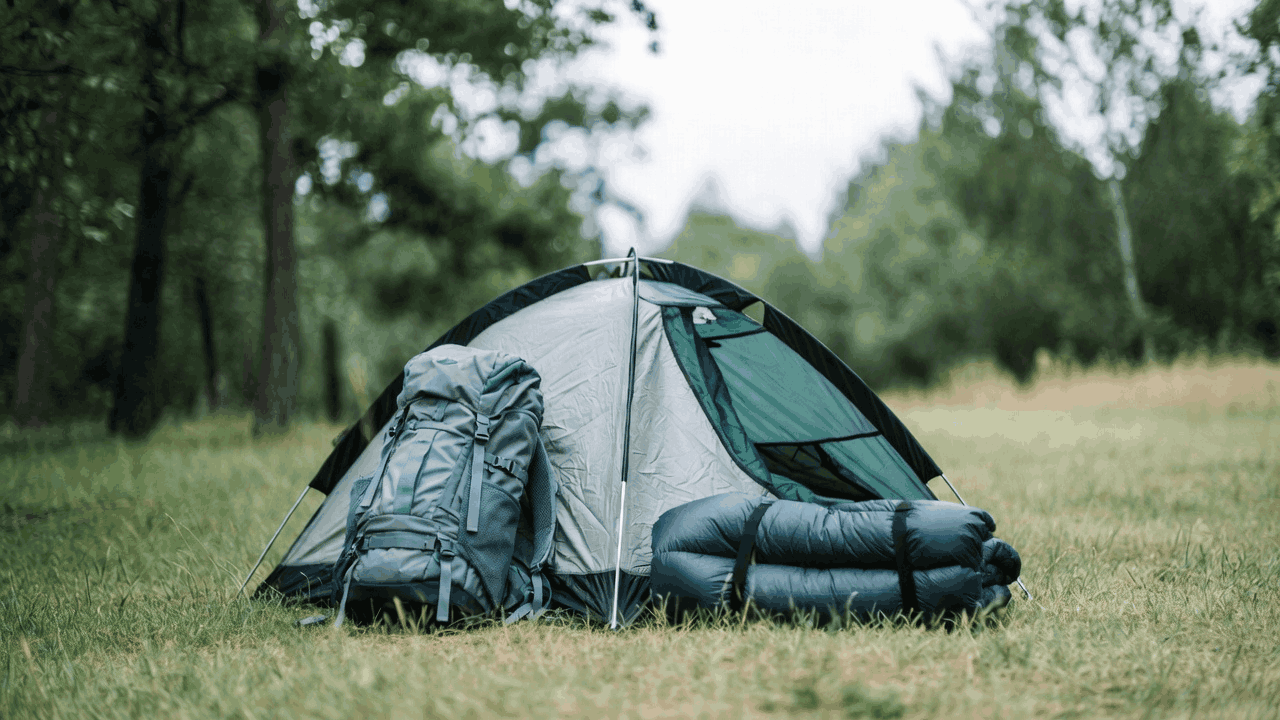
Venturing into the great outdoors for the first time? A well-planned camping gear checklist can transform your trip from overwhelming to unforgettable. In 2026, camping essentials blend cutting-edge technology with sustainable designs, offering lightweight, durable options that prioritize comfort and environmental responsibility. This guide focuses on must-have items for beginners, categorized into tents, sleeping gear, cooking equipment, and safety tools. We’ve included budget-friendly choices, eco-conscious alternatives, and expert tips to help you pack smartly for car camping or short hikes. Whether you’re chasing scenic trails or serene lakeside spots, these recommendations ensure you’re prepared without excess baggage.
Start by assessing your trip’s duration, weather, and group size to customize this camping checklist. Prioritize versatile, multi-purpose items to keep your load light and your experience enjoyable.
1. Tents: Building Your Base Camp
Selecting the right tent is key to staying dry and comfortable during your outdoor adventure. For beginners, focus on user-friendly designs with quick assembly and reliable weather protection. In 2026, many models feature enhanced mesh for better airflow and integrated tech like USB ports for charging.
- Essentials:
- 2-4 Person Dome Tent: Models like the REI Co-op Passage 2 offer spacious interiors, easy pole systems, and a full rainfly for storm resistance.
- Instant Setup Tent: Options such as the Coleman Sundome provide quick deployment, ideal for those new to pitching.

- Budget Options (Under $100): The Ozark Trail 4-Person Dome delivers solid basics like ventilation and waterproof seams, perfect for occasional use without high costs.
- Eco-Friendly Picks: The Big Agnes Fly Creek uses recycled fabrics and low-impact dyes, weighing under 2 pounds for easy carrying while minimizing waste.
- Tips: Always add a tent footprint to shield against ground moisture and extend longevity. Test assembly in your backyard to build confidence. Look for freestanding tents for uneven terrain, and consider solar-integrated models for built-in lighting.
Pro Tips: Planning a cold-weather trip? Check out our Winter Camping Tents for Cold-Weather Adventures guide to choose the right tent for snow and freezing conditions.
2. Sleeping Gear: Ensuring Restful Nights
Quality sleep gear insulates you from the cold ground and variable temperatures, helping you recharge for the next day’s explorations. Beginners should aim for packable items with good insulation ratings; 2026 trends include self-inflating pads with built-in pumps and eco-synthetics.
- Essentials:
- Sleeping Bag: The Marmot Trestles synthetic bag, rated to 15°F, compresses easily and retains warmth even in damp conditions.
- Sleeping Pad: Inflatable choices like the Therm-a-Rest NeoAir XLite provide excellent cushioning and pack small for portability.

- Budget Options (Under $50): Amazon Basics self-inflating pads offer reliable support at a low price, pairing well with affordable synthetic bags for entry-level comfort.
- Eco-Friendly Picks: Sea to Summit’s Ether Light XT features sustainable, PFC-free materials, while Patagonia’s recycled insulation bags reduce environmental footprint without sacrificing performance.
- Tips: Match your bag’s temperature rating to forecasted lows, adding 10-15°F buffer for safety. Use a liner for extra hygiene and warmth. Newer pads often include USB-rechargeable pumps, doubling as device chargers for off-grid stays.
3. Cooking Gear: Simplifying Meals in Nature
Efficient cooking tools make preparing food straightforward and fun, turning basic ingredients into satisfying campfire feasts. Opt for compact, fuel-efficient setups; in 2026, biomass stoves and solar options are popular for sustainable energy.
- Essentials:
- Portable Stove: The Jetboil Flash system boils water rapidly, streamlining hot drinks and simple meals.
- Cookware Kit: MSR PocketRocket sets include lightweight pots and utensils for versatile use.

- Budget Options (Under $30): Coleman butane stoves are compact and effective for boiling or light cooking, complemented by basic mess kits.
- Eco-Friendly Picks: BioLite CampStove harnesses twigs for fuel, generating USB power while cutting down on fossil fuels and emissions.
- Tips: Plan one-pot meals or dehydrated foods to reduce cleanup and weight. Store fuel securely and practice fire safety. Explore solar cookers for daytime prep, aligning with Leave No Trace ethics to preserve natural sites.
Pro Tips: Don’t forget to plan simple meals before your trip. If you’re not sure what to cook outdoors, check out our Easy Camping Meals: 20 Recipes guide for beginner-friendly ideas.
4. Safety Gear: Protecting Your Journey
Safety equipment addresses unexpected challenges, from minor injuries to navigation needs. Compact, reliable tools are essential; 2026 advancements include GPS wearables and solar-powered lights for enhanced reliability.
- Essentials:
- First Aid Kit: Adventure Medical Kits cover basics like bandages, antiseptics, and pain relief.
- Headlamp: Black Diamond Spot models deliver bright, rechargeable illumination for evening tasks.
- Multi-Tool: Leatherman Wave+ handles repairs with pliers, knives, and more.
- Budget Options (Under $20): Generic first aid packs from major retailers include wound care and essentials like tweezers.
- Eco-Friendly Picks: Goal Zero’s Crush Light is a collapsible, solar-powered lantern made from recycled materials.
- Tips: Pack water purification methods and an emergency blanket. Share your plans with someone and use apps for offline maps. Wearables like Garmin watches offer SOS alerts, adding peace of mind.
Additional Tips for Beginner Campers in 2026
- Budgeting Smartly: Assemble a starter kit under $300 by choosing versatile gear. Rent from outlets like REI to trial items before purchasing.
- Eco-Conscious Choices: Select Bluesign-certified products to support sustainability; apps now track gear’s environmental impact.
- Packing Efficiently: Use compression bags for space-saving and layer clothing for changing conditions. Begin with established campgrounds to gain experience.
- Emerging Trends: AI-assisted packing tools and solar panels integrate seamlessly with electric vehicles, making trips greener and more convenient.
Conclusion
Equipping yourself with the best camping gear for beginners in 2026 sets the stage for safe, enjoyable escapes into nature. This checklist emphasizes essentials that balance functionality, affordability, and sustainability, helping you focus on the joy of the outdoors rather than logistics. As you gain confidence, refine your setup based on personal preferences. Remember, the true essence of camping lies in simplicity and connection—start small, stay prepared, and create lasting memories.
FAQs
What is the most important camping gear for beginners?
The core essentials include a reliable tent for shelter, a sleeping bag and pad for rest, basic cooking tools, and a first aid kit for safety. These form the foundation of any trip.
How much should I spend on a beginner camping checklist?
You can build a solid setup for $200-400 by mixing budget options with key investments. Prioritize quality in items like tents and sleeping bags for long-term use.
Are eco-friendly camping gear options worth it?
Absolutely—brands using recycled materials reduce waste and often perform just as well. They’re ideal for minimizing your environmental impact while enjoying nature.
What should I avoid packing for my first camping trip?
Skip bulky luxuries like large coolers or unnecessary gadgets. Focus on multi-use items to keep your pack light and avoid overcomplicating your experience.
How do I prepare for weather changes while camping?
Layer clothing, choose gear with good insulation ratings, and always include a rainfly or tarp. Check forecasts via apps and pack versatile items like convertible jackets.