
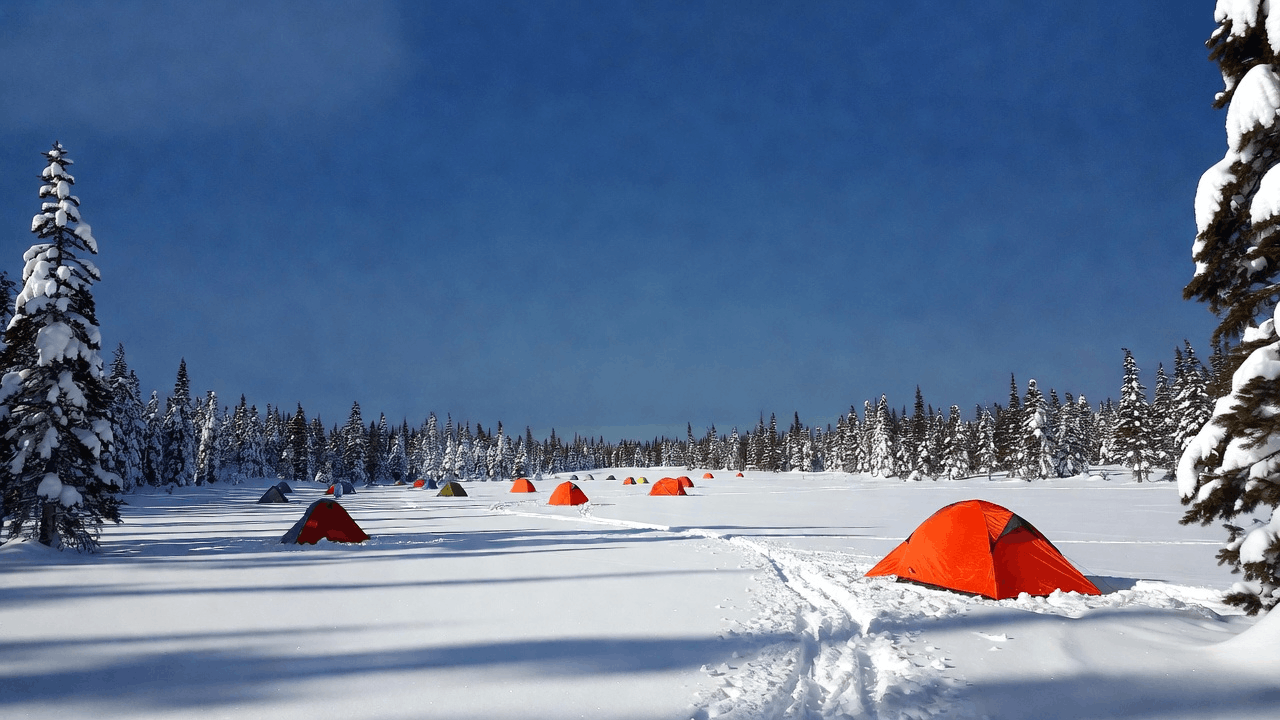
Imagine waking up to a blanket of fresh snow, the crisp air invigorating your senses, but only if your tent keeps you warm and dry. Winter camping isn’t for the faint-hearted, but with the right gear, it’s an unforgettable adventure. The serene silence of a snow-covered forest, the thrill of cross-country skiing under starry skies, and the cozy warmth of a hot meal after a day in the elements, these are the rewards that draw adventurers to cold-weather outings. Yet, the challenges are real: biting winds, heavy snowfall, and plummeting temperatures demand specialized equipment to stay safe and comfortable.
Unlike summer camping, where lightweight and breathable tents suffice, winter expeditions require robust shelters designed to withstand extreme conditions. We’re talking about 4-season tents that prioritize durability over ventilation, offering protection from blizzards and sub-zero nights. This guide dives into the world of winter camping tents, helping you navigate the options whether you’re a solo backcountry explorer or planning a family trip to snowy national parks.
In this guide, we’ll explore essential features, top recommendations, setup tips, and safety essentials to gear you up for your next cold-weather escapade. Did you know that a proper winter tent can withstand winds up to 50 mph and temperatures below -20°F? By the end, you’ll be equipped to choose a tent that turns harsh winters into thrilling experiences.
Understanding Winter Camping Tents: Key Differences and Why They Matter
Winter camping tents, often called 4-season or mountaineering tents, are engineered for year-round use but excel in cold, stormy conditions. They bridge the gap between basic shelters and expedition-grade fortresses, providing reliability when Mother Nature turns unforgiving.
What Makes a Tent ‘Winter-Ready’?
At their core, 4-season tents differ from 3-season models in construction and materials. While 3-season tents emphasize airflow with large mesh panels to combat summer heat and bugs, winter tents minimize mesh to retain heat and block snow. They feature reinforced poles, often aluminum or composite, for superior strength against wind and snow loads. Fabrics like ripstop nylon with polyurethane (PU) coatings ensure waterproofing, rated at 1,500mm or higher hydrostatic head for heavy precipitation. Snow skirts or flaps along the base prevent drafts and drifting snow from entering, while spacious vestibules allow gear storage without compromising interior space.
These tents also incorporate geodesic or dome designs for stability. For instance, multiple crossing poles distribute weight evenly, preventing collapse under snow accumulation. Ventilation is still key, adjustable vents reduce condensation, which can freeze and create discomfort. In essence, a winter-ready tent balances protection, warmth, and breathability, making it ideal for alpine hikes, ski touring, or base camping in places like the Rockies or Himalayas.
Common Myths Debunked
One common misconception is that “any tent works in winter.” Not true, 3-season tents often sag or tear under snow and wind, leading to miserable nights or safety risks. Another myth: “Bigger is always better.” While spacious tents offer comfort, they can be heavier and harder to heat, which matters for backpackers. Oversized models also catch more wind, increasing instability. Finally, some believe winter tents are unbearably stuffy, but modern designs with strategic venting manage airflow effectively, preventing the “rainforest effect” of internal moisture buildup.
To clarify, here’s a comparison of tent types:
| Tent Type | Seasons Supported | Key Features | Pros | Cons | Price Range |
| 3-Season | Spring-Fall | Lightweight, ventilated | Affordable, easy to carry | Poor in snow/heavy wind | $100–$300 |
| 4-Season | All, incl. Winter | Reinforced, insulated | Durable, weather-resistant | Heavier, more expensive | $300–$800 |
| Expedition | Extreme Winter | Double-walled, geodesic dome | Ultimate protection | Bulky, high cost | $500+ |
This table highlights why investing in a 4-season tent pays off for cold-weather reliability.
Essential Features to Look For in a Winter Camping Tent
Selecting a winter tent involves prioritizing features that combat the elements. Here’s what to focus on for optimal performance.

Structural Integrity
Strong poles and frames are non-negotiable. Opt for aluminum or DAC Featherlite poles, which resist bending in gusts up to 60 mph. Dome or tunnel shapes shed snow efficiently, while geodesic designs with multiple pole intersections provide bombproof stability. Look for snow load capacity ratings, tents should handle at least 10-20 pounds per square foot. Guylines and robust anchors, like deadman stakes for snow, enhance wind resistance. A footprint (groundsheet) protects the floor from abrasion and adds insulation.
Insulation and Ventilation
Winter tents use thicker fabrics and less mesh for warmth, often with thermal linings or double walls to trap heat. Vestibules act as buffers, keeping cold air out while storing wet gear. Ventilation prevents condensation, seek adjustable roof vents and mesh panels that can be zipped shut. Breathable materials like PTFE membranes (e.g., eVent) wick moisture without sacrificing waterproofing. For extreme cold, consider tents with stove jacks for safe internal heating.
Size, Weight, and Portability
Capacity ranges from 1-person ultralights (under 3 lbs) to 6-person family models (10+ lbs). Packed size matters for backpacking, aim for compact designs. Features like gear lofts, internal pockets, and electrical ports add convenience without bulk. For backcountry, prioritize under 5 lbs; car camping allows heavier options for more space.
Budget Considerations
Entry-level tents start at $200-300, offering basic protection (e.g., ALPS Mountaineering). Mid-range ($400-700) balances weight and durability (e.g., MSR). Premium brands like Hilleberg ($800+) use high-tech fabrics for longevity. Factor in warranties and user reviews from sites like REI or OutdoorGearLab.
Checklist for Buyers:
- Must-Haves: Strong poles, snow skirts, vestibule(s), 1,500mm+ waterproofing.
- Nice-to-Haves: Quick-pitch system, multiple doors, reflective guylines.
- Avoid: Excessive mesh, flimsy zippers, no guy points.
Top Winter Camping Tent Recommendations
Based on 2026 reviews, these picks stand out for performance in snow and wind.
Best Overall Pick
The Mountain Hardwear Trango 2 ($950) excels with its spacious interior (85 x 64 in) and bombproof design. Pros: Handles heavy snow and winds; large vestibule; easy pitch. Cons: Heavier at 9 lbs. Specs: 2-person, double-wall, 38-in peak height. User ratings: 4.8/5 on REI.
Budget-Friendly Option
ALPS Mountaineering Tasmanian 2 ($280) offers great value. Pros: Affordable, durable poles, good ventilation. Cons: Not ultralight (7.87 lbs). Specs: 2-person, 86 x 54 in floor, 41-in height. Ideal for beginners.
Family-Sized Choice
Robens Klondike Tent ($800) is a teepee-style for groups. Pros: Spacious (up to 6), stove-compatible, stable in wind. Cons: Bulkier setup. Specs: 10 ft diameter, cotton canvas for insulation. Perfect for base camps.
Ultralight for Backcountry
Hilleberg Jannu ($1,240) weighs just 6.17 lbs. Pros: Stormworthy, quick pitch, excellent ventilation. Cons: Pricey. Specs: 2-person, 93 x 57 in, double-wall. Suited for solo alpine adventures.
These recommendations draw from real-user feedback and expert tests for reliability.
Setup and Maintenance Tips for Winter Success
Proper preparation ensures your tent performs when it counts.
Pre-Trip Preparation
Waterproof seams with seam sealer and pack a repair kit for tears or broken poles. Include a footprint for insulation and test setup at home. Pack extras like spare guylines and snow stakes.
On-Site Setup Strategies
Choose a sheltered site away from avalanche zones, use trees or rocks as windbreaks. Pack down snow for a firm base, then dig a 1-2 ft trench around the tent for drainage. Anchor with deadman stakes (bury objects like skis). Layer sleeping pads (R-value 4+) and bags rated 20°F below expected lows.
Maintenance and Storage
Brush off snow regularly to avoid overload. After trips, dry thoroughly to prevent mildew, air out in a warm space. Store loosely in a cool, dry area.
Safety Note
Watch for hypothermia signs: shivering, confusion. Carry emergency gear like a bivy sack and know evacuation plans. Avoid solo trips in extreme conditions.
For visual guidance, imagine stomping a flat platform, pitching the tent fly-first in wind, and securing guylines taut.
Conclusion and Next Steps
Choosing the right winter tent transforms harsh conditions into thrilling experiences. From structural strength to smart ventilation, these shelters keep you protected and comfortable amid snow and wind.
Ready to hit the trails? Share your winter camping stories in the comments, subscribe for more guides, or check these picks via affiliate links. Gear up, step out, and embrace the winter wilderness, your adventure awaits.
FAQ Camping Tents
Can I use a 3-season tent in winter?
Only in mild conditions; otherwise, risk collapse.
What’s your go-to winter tent?
(Poll: Trango 2, Jannu, Other)