
The Introduction
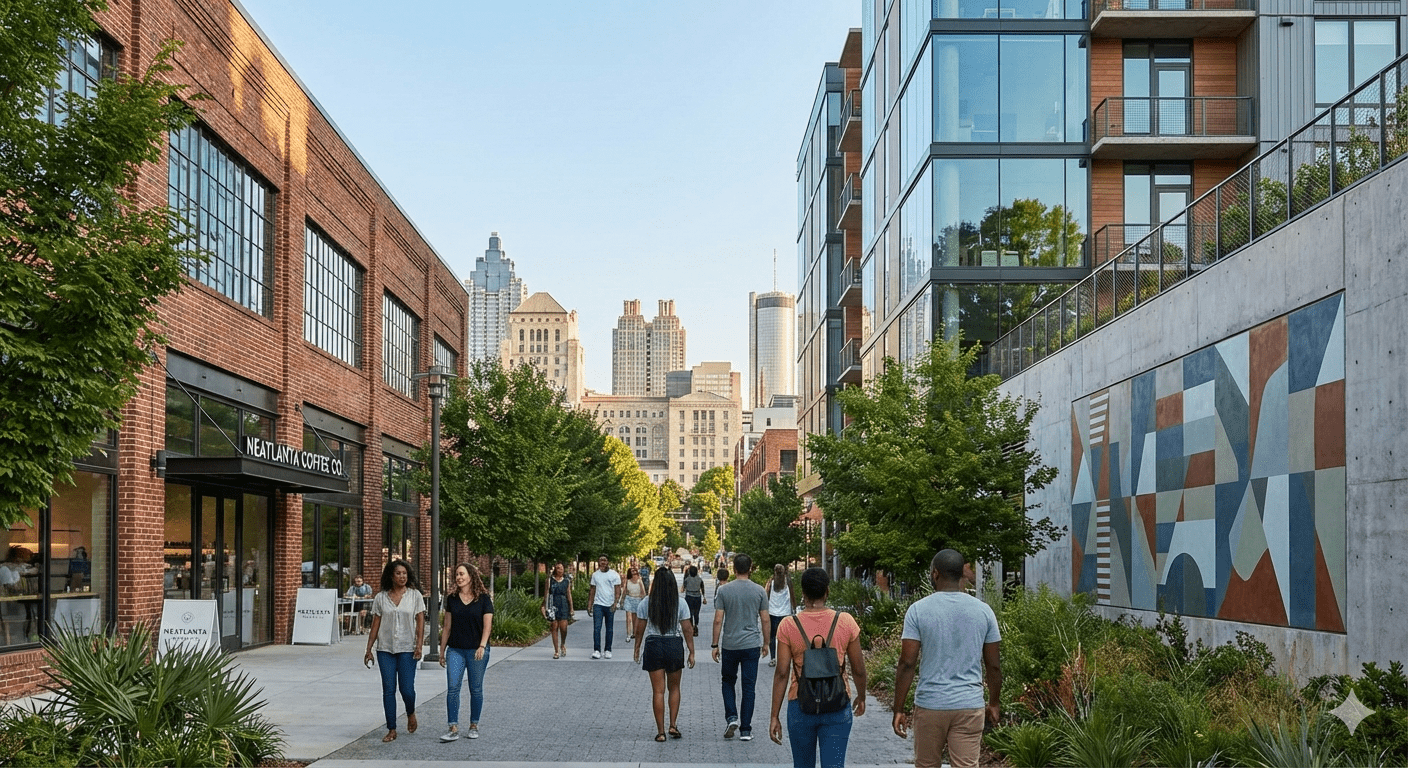
When you step into the heart of Atlanta today, you might notice something new—something sleek, sophisticated, and polished that blends the old with the new. You might see the rise of minimalist cafes tucked beneath towering glass structures or walk along the BeltLine, where lush greenery meets modern architecture. It’s an aesthetic that’s distinctively Atlanta yet feels refreshingly global. The term “Neatlanta” is emerging to describe this new wave of design-consciousness reshaping the city.
But what exactly is “Neatlanta”? It’s a term that has begun circulating in creative circles and local communities to describe a fresh, forward-thinking aesthetic transforming Atlanta’s cultural scene. At its core, Neatlanta represents a blend of clean design, cultural authenticity, and local innovation—a blend that’s both modern and deeply rooted in the city’s history. More than just a trend, Neatlanta captures the essence of Atlanta as a city maturing into a sophisticated, globally aware hub. In this article, we’ll explore the rise of Neatlanta, its cultural significance, and how it’s redefining Atlanta’s identity.
Origin Story: What Does ‘Neatlanta’ Actually Mean?
The term “Neatlanta” might sound like a new addition to the city’s lexicon, but it’s deeply reflective of Atlanta’s ongoing transformation. Let’s break down what makes up the word and why it’s resonating now more than ever.
A. The Linguistic Breakdown
“Neat” carries a variety of positive connotations: it evokes feelings of order, simplicity, and precision. In design, “neat” often implies clean lines, minimalism, and intentionality. When used to describe a place or an experience, it suggests something well-executed, stylish, and fresh. This neatness doesn’t just mean tidiness—it refers to a certain sophistication, a sharpness that speaks of careful thought and modern aesthetics.
“Atlanta,” on the other hand, carries a weighty cultural and historical legacy. From its role in the Civil Rights Movement to its vibrant music scene and reputation as the “City in a Forest,” Atlanta has always been a place of change, diversity, and creativity. The city has long been a blend of Southern charm and urban energy, where the past coexists with rapid growth and transformation.
B. Why now?
Atlanta has been experiencing tremendous growth over the past decade. The city’s population is expanding, and with it, new industries—like tech and film—are flourishing. As these new industries move in, there’s a growing desire for a local, yet modern aesthetic—something that captures the spirit of the city while pushing it into a new era. Neatlanta emerges as a response to these shifts, a desire for an aesthetic that’s clean and contemporary but also distinctly local. The term has gained traction in local social media, design blogs, and creative conversations, becoming shorthand for this dynamic new vibe.
C. Where It Lives
You’ll encounter Neatlanta in a variety of places: across the city’s creative studios, in the design of new buildings, and in online spaces where locals and creatives gather to discuss the future of the city. It’s particularly visible on platforms like Instagram, where the visual language of Neatlanta—think sleek architecture, modern art, and thoughtful design—dominates.
The Neatlanta Aesthetic in Action: Case Studies
To understand how Neatlanta is coming to life, let’s dive into some concrete examples across different categories—architecture, food, and fashion—where the aesthetic is shaping the city.
A. Architecture & Urban Design
Neatlanta’s presence is perhaps most visible in Atlanta’s architectural landscape. The city’s skyline is dotted with modern residential buildings and high-rise towers made of glass and steel, their clean lines and minimalism standing in stark contrast to the more traditional, southern-style architecture that once dominated. The BeltLine, a redevelopment project that connects neighborhoods via a multi-use trail, is also a prime example of Neatlanta in action. The BeltLine’s extensions have transformed industrial areas into vibrant, walkable spaces filled with greenery, modern public art, and sleek urban designs. Adaptive reuse projects are another key feature—old brick warehouses and historic buildings are given new life with contemporary touches like glass facades and open spaces, merging Atlanta’s past and present.
B. Food & Hospitality (The “Vibe”)
The Neatlanta aesthetic is also evident in the city’s food and hospitality scene. Gone are the days of overly kitschy, tourist-focused restaurants; instead, Atlanta is seeing a rise in minimalist cafes, chef-driven restaurants, and upscale food halls that prioritize design as much as food quality. Places like Ponce City Market and Krog Street Market showcase clean, modern interiors with natural materials, spacious layouts, and an emphasis on flow. The design of these spaces invites customers to linger, blurring the lines between restaurant, art gallery, and community hub. The food in these spaces often reflects the city’s global influence, offering sophisticated, innovative takes on Southern cuisine.
C. Fashion, Art, & Digital Culture
The city’s fashion scene is also adapting to this new Neatlanta vibe. Local streetwear brands, like those seen at the Atlanta Apparel Market, are adopting clean logos, high-quality fabrics, and sleek designs. The art scene, too, is embracing simplicity and sophistication. Museums like the High Museum and galleries like Atlanta Contemporary have shifted towards modern, open spaces that allow the art to speak for itself, with designs that prioritize light, space, and clean lines. Similarly, digital artists in Atlanta are moving towards polished, sharp designs, often using minimalism to convey powerful cultural messages.
The Tension: Modernity vs. Heritage
While Neatlanta’s rise points to a clear desire for modernity, it’s important to acknowledge the tension between this new aesthetic and Atlanta’s rich cultural heritage. Atlanta is a city deeply rooted in its history, particularly its role in the Civil Rights Movement and its significance to Black culture. The rise of Neatlanta could be seen as a risk of glossing over the city’s complicated past, especially when design choices lean towards minimalism and cleanliness—qualities that could be interpreted as sterilizing or sanitizing.
A. The Challenge
The risk is real: Can Neatlanta’s polished aesthetic overshadow the gritty, raw, and sometimes uncomfortable parts of Atlanta’s history? The Civil Rights Movement and the struggles of Atlanta’s Black communities are deeply woven into the fabric of the city. How can a city so rich in heritage remain true to its roots while embracing such a modern aesthetic?
B. The Integration
However, the best examples of Neatlanta are those that don’t erase history, but rather incorporate it. Think of a modern design studio housed in a renovated historical building, where elements of the original structure are preserved. Or consider how contemporary art galleries in the city are using clean lines and minimalist designs to amplify powerful historical messages. Neatlanta’s spirit lies not in ignoring the past but in integrating it thoughtfully into a forward-looking vision.
C. Conclusion on Balance
The beauty of Neatlanta is in its ability to balance modernity with heritage. It’s a city looking forward, but not at the expense of the rich cultural story it carries. The true Neatlanta spirit respects the past while embracing a polished, contemporary future.
Conclusion: The Future of Atlanta’s Identity
In conclusion, Neatlanta is more than just an aesthetic—it’s a reflection of Atlanta’s evolving cultural identity. The city is moving towards a future that blends global design sensibilities with its rich local history, creating a unique and forward-thinking urban experience. As Atlanta continues to grow, Neatlanta will undoubtedly become a cornerstone of the city’s identity, symbolizing a confident, sophisticated, and innovative future. It’s a future where the past and present coexist, shaping a city that’s not only rooted in its history but also looking boldly towards tomorrow.