
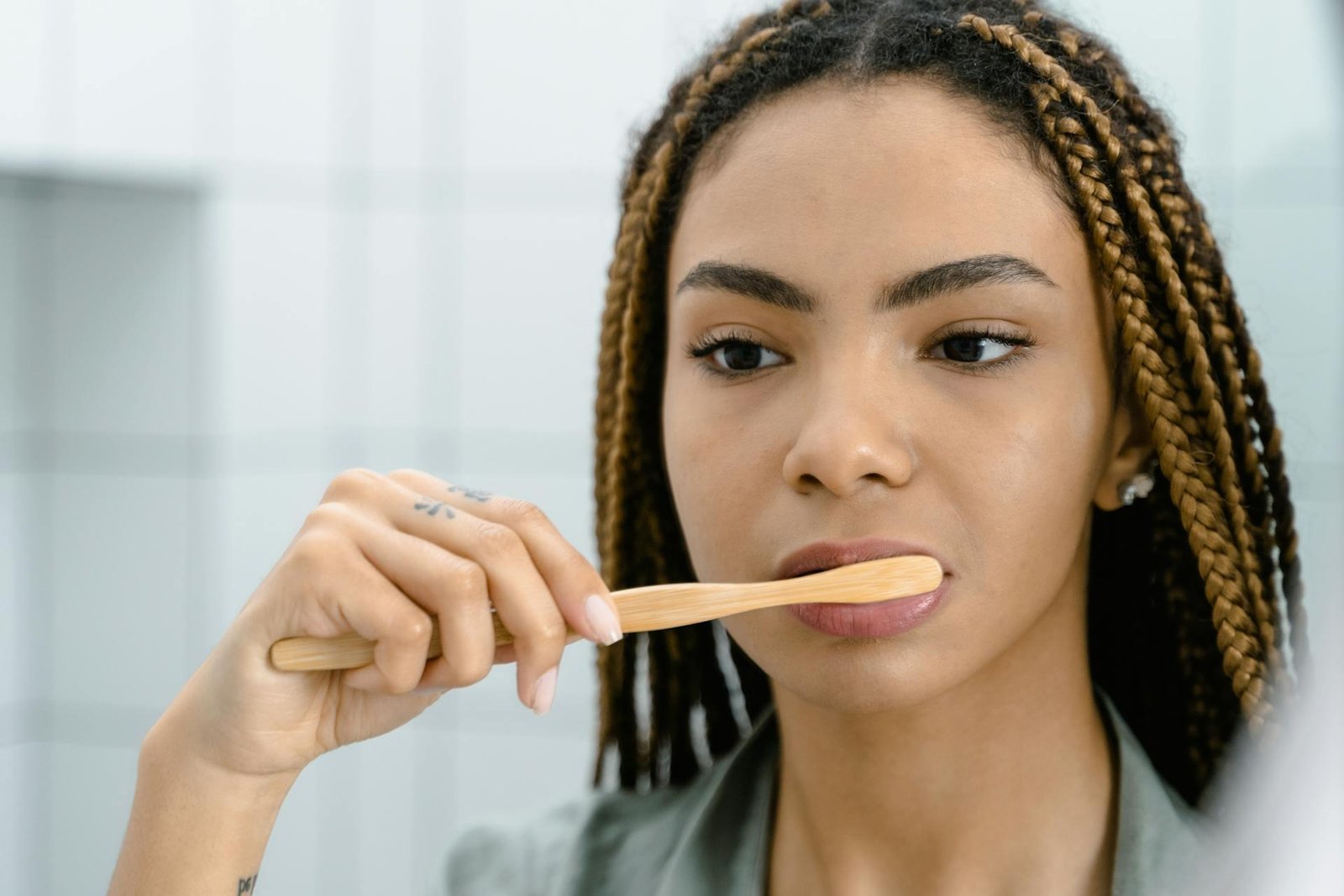
Travel has a way of disrupting even the best routines. Early flights, packed itineraries, unfamiliar food, and long days can push dental care to the bottom of the priority list. Skipping a brushing here or delaying flossing there may not feel significant in the moment, but oral health issues often develop quietly—and tend to surface at the worst possible time.
The good news is that maintaining healthy teeth while traveling doesn’t require perfection or extra effort. With a little preparation and a few smart habits, you can protect your oral health wherever your plans take you. Consistency, flexibility, and awareness go a long way toward keeping your smile comfortable and confident on the road.
Why Travel Can Be Hard on Oral Health
Travel changes the conditions your teeth are used to. Airplane cabins are dry, reducing saliva that naturally protects enamel. New cuisines may be higher in sugar or acidity, and frequent snacking exposes teeth to more decay-causing acids throughout the day.
Jet lag and long days can also throw off routines. Late nights make it easier to skip flossing, while early mornings encourage rushed brushing. Over time, these small disruptions can contribute to plaque buildup, gum irritation, or sensitivity.
Recognizing these risks helps you plan proactively instead of reacting to discomfort later.
Build a Travel–Ready Dental Kit
A simple, dedicated dental kit removes friction from maintaining your routine. When tools are easy to access, you’re more likely to use them—even when you’re tired.
Your kit should include:
- a travel-size toothbrush
- fluoride toothpaste
- floss or floss picks
- a small bottle of mouth rinse
If you wear a retainer, night guard, or aligners, pack a protective case and cleaning supplies. Keeping everything in one pouch prevents items from getting lost in luggage and makes nightly routines easier.
A compact kit ensures dental care stays consistent no matter where you’re staying.
Stick to the Basics When Schedules Get Busy
When days are packed, it’s tempting to assume one missed brushing won’t matter. Over time, however, small lapses accumulate. Prioritizing the basics—brushing twice a day and flossing once—does most of the work.
If mornings are rushed, focus on thorough nighttime care. Brushing and flossing before bed removes the day’s buildup and gives your teeth time to recover overnight. On especially busy days, even rinsing with water or using floss picks is better than skipping care entirely.
Consistency matters more than intensity. A simple routine done regularly protects your teeth better than an elaborate routine done occasionally.
Make Smarter Food and Drink Choices on the Road
Travel often encourages indulgence, but mindful choices can protect your teeth without limiting enjoyment. Sugary snacks, acidic drinks, and constant sipping create prolonged acid exposure that weakens enamel.
Helpful habits include:
- drinking water after meals or snacks
- avoiding grazing on sugary foods throughout the day
- choosing tooth-friendly snacks like nuts, cheese, or yogurt when available
Chewing sugar-free gum can help stimulate saliva and neutralize acids. Staying hydrated—especially during flights or in hot climates—supports oral health and overall comfort.
These small adjustments reduce risk while still allowing flexibility.
Protect Your Teeth During Flights and Long Days
Flights introduce unique challenges. Dry cabin air increases dehydration, which can contribute to bad breath and gum discomfort. Stress, disrupted sleep, or unfamiliar beds can also increase teeth grinding or clenching.
Drinking water regularly helps maintain moisture. Limiting caffeine and alcohol during flights reduces dehydration. If you grind your teeth at night, wearing a night guard—even while traveling—can protect enamel and jaw joints.
On long sightseeing days, brushing may not always be possible. Rinsing with water, using floss picks, or chewing sugar-free gum can help keep your mouth feeling clean until you return to your accommodation.
What to Do If a Dental Issue Arises While Traveling
Even with preparation, dental issues can happen. Tooth sensitivity, a lost filling, or sudden pain can quickly derail a trip. Knowing how to respond reduces stress.
Temporary dental repair kits, available at many pharmacies, can help manage minor issues until you return home. Over-the-counter pain relievers may ease discomfort, but persistent pain should be evaluated by a professional.
If you need advice while away, calling an established provider you trust—such as The Super Dentists—can be helpful. A familiar dental team may be able to guide you on whether a situation requires immediate attention or can wait until you return.
Reset Your Routine When You Get Home
After travel, it’s a good idea to reset your dental habits. Resume normal brushing and flossing schedules, and pay attention to any lingering sensitivity or discomfort.
If travel disrupted your routine for an extended period, consider scheduling a checkup. Early attention prevents minor issues from becoming larger problems.
Travel can serve as a reminder of how important consistent care is—and how manageable it can be with the right approach.
Conclusion
Taking care of your teeth while you travel doesn’t require extra time or rigid rules. It requires intention, preparation, and flexibility. By packing smart, sticking to the basics, staying hydrated, and responding promptly to issues, you can protect your oral health without sacrificing the enjoyment of your trip.Dental care is part of overall well-being, wherever you are. When simple habits travel with you, healthy teeth can too—allowing you to focus on the experience rather than unexpected discomfort.