
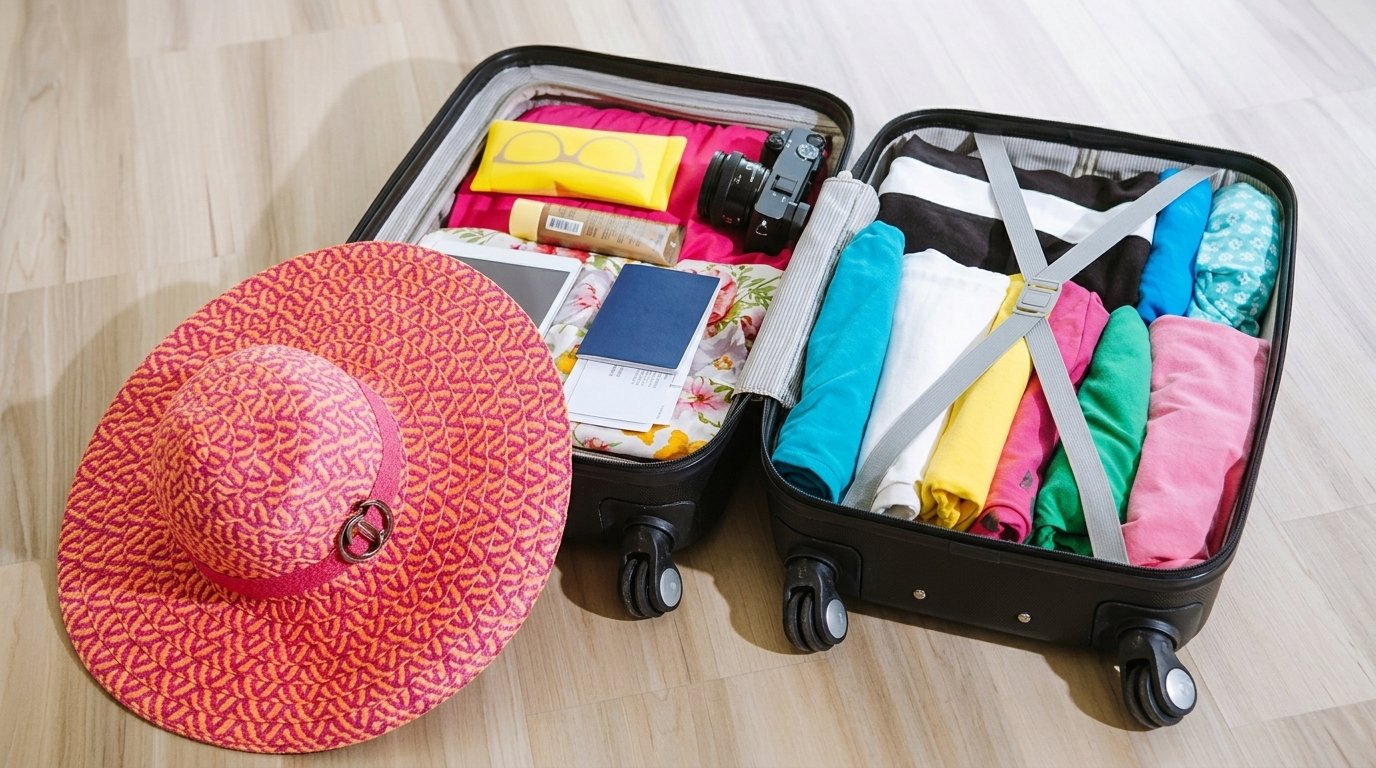
Travel memories are shaped by places, people, and experiences, but they are also shaped by how you feel moving through each day. Long flights, unfamiliar streets, changing weather, and spontaneous plans all test your comfort and confidence. When clothing works against you, even the most beautiful destination can feel tiring. When it works with you, the trip flows more easily.
The right clothes do not just help you look put together. They support energy, adaptability, and ease, allowing you to focus on discovery rather than discomfort. Thoughtful travel wardrobes turn logistics into background noise and let the journey take center stage.
Why Clothing Choices Matter More Than You Think
Travel compresses a wide range of activities into short periods of time. A single day might include hours of sitting, walking, standing, and social interaction, often across different environments. Clothing that feels fine for one activity may become distracting during another.
Discomfort compounds over time. Tight waistbands, stiff fabrics, or items that wrinkle easily can sap energy and patience. On the other hand, garments designed with movement and wearability in mind support a sense of calm and readiness.
Clothing also affects confidence. When you feel comfortable and appropriate for your surroundings, you move more freely and engage more openly. This confidence enhances the travel experience, making interactions and exploration feel natural rather than forced.
Fabrics That Perform on the Move
Fabric choice is foundational to a successful travel wardrobe. The best travel clothes balance softness, durability, and breathability. Natural fibers blended with performance materials often strike this balance well, offering comfort without sacrificing structure.
Wrinkle resistance is especially important when packing light. Fabrics that recover quickly from folding reduce the need for ironing or steaming. Breathable materials help regulate temperature when moving between airports, outdoor spaces, and climate-controlled interiors.
Quick drying fabrics also add flexibility. They handle unexpected weather and make it easier to refresh garments overnight. When clothing adapts to conditions rather than demanding special care, travel feels simpler.
Designing for Versatility Over Excess
Overpacking is a common travel mistake driven by the fear of being unprepared. In reality, versatility creates more options than volume. A well-planned travel wardrobe relies on interchangeable pieces that can be styled across multiple situations.
Neutral colors with subtle detail tend to mix easily. A single pair of comfortable trousers can anchor several outfits when paired with different tops or layers. Lightweight jackets, scarves, or cardigans extend outfit possibilities without adding bulk.
Some travelers reference clothing lines such as contemporary Habitat clothing when thinking about how garments can transition smoothly between casual and polished settings. Looking at examples like this helps illustrate how thoughtful design supports all day wear without constant outfit changes.
Fit and Movement as Everyday Essentials
Fit becomes more important during travel than in everyday routines. Clothing that restricts movement or sits awkwardly after hours of wear can quickly become uncomfortable. Travel-friendly garments allow the body to move naturally, whether seated for long periods or walking miles through a city.
Stretch elements, relaxed silhouettes, and soft waistbands support circulation and reduce fatigue. Well-proportioned cuts maintain shape while accommodating movement, striking a balance between comfort and appearance.
Good fit also reduces mental load. When you are not adjusting clothing or worrying about how it looks, attention stays on experiences rather than on self-consciousness.
Dressing for Cities Without Feeling Out of Place
City travel often involves unspoken style expectations. While comfort is essential, feeling visually aligned with your environment can enhance confidence and connection. Clothing that appears intentional rather than overly technical helps travelers blend in naturally.
Simple silhouettes, clean lines, and quality fabrics tend to read well across cultures. Avoiding loud logos or overly specialized gear keeps outfits adaptable. Shoes that support walking while still looking polished are especially valuable.
Accessories offer an easy way to adjust tone. A scarf, belt, or bag can elevate an outfit for evening without requiring a full change. These details allow seamless transitions from sightseeing to dining.
Planning for Energy, Not Just Aesthetics
Travel wardrobes should be planned with energy levels in mind. Clothing that looks good but feels heavy or restrictive can drain stamina throughout the day. Comfort supports endurance, especially on trips with packed itineraries.
Choosing garments that feel good after hours of wear preserves enthusiasm. Soft fabrics, breathable construction, and thoughtful layering keep the body comfortable as conditions change.
When clothes support energy, travelers remain more present. Experiences feel richer, and long days feel manageable rather than exhausting.
Creating a Capsule That Travels Well
Capsule wardrobes simplify travel by reducing choices while increasing functionality. Each piece is selected for its ability to work with others, creating multiple outfits from a small number of items.
A strong capsule includes versatile tops, comfortable bottoms, and adaptable layers. Every item should serve more than one purpose. This approach minimizes packing stress and makes daily outfit decisions easier.
Testing outfits at home before departure can reveal gaps. Wearing combinations for a full day helps determine whether pieces truly perform as expected.
Adapting to the Unexpected With Ease
Travel rarely goes exactly as planned. Delays, weather changes, and spontaneous opportunities can shift schedules quickly. Clothing that adapts to these changes reduces stress and supports flexibility.
Layering options allow quick adjustments. Breathable fabrics prevent discomfort when activity levels increase. Polished silhouettes ensure readiness for last minute plans.
When clothing can handle unpredictability, travelers feel prepared rather than reactive. This ease enhances the overall journey.
Confidence Comes from Feeling Prepared
Feeling prepared goes beyond having reservations and itineraries. It includes knowing that your clothing supports you through whatever the day brings. This preparedness builds quiet confidence.
When clothes work, they fade into the background. You move through spaces with ease, focus on people and places, and remain open to discovery.
Confidence rooted in comfort allows travel to feel expansive rather than taxing.
Conclusion
The best trips start with the right clothes because clothing shapes how you experience every moment of the journey. Thoughtful fabric choices, versatile design, and supportive fit transform travel days from logistical challenges into seamless experiences.
When clothing adapts to airports, cities, and long days out, it becomes an ally rather than a concern. A well-chosen travel wardrobe supports comfort, confidence, and presence, allowing travelers to focus on what truly matters: exploring the world with curiosity and ease.