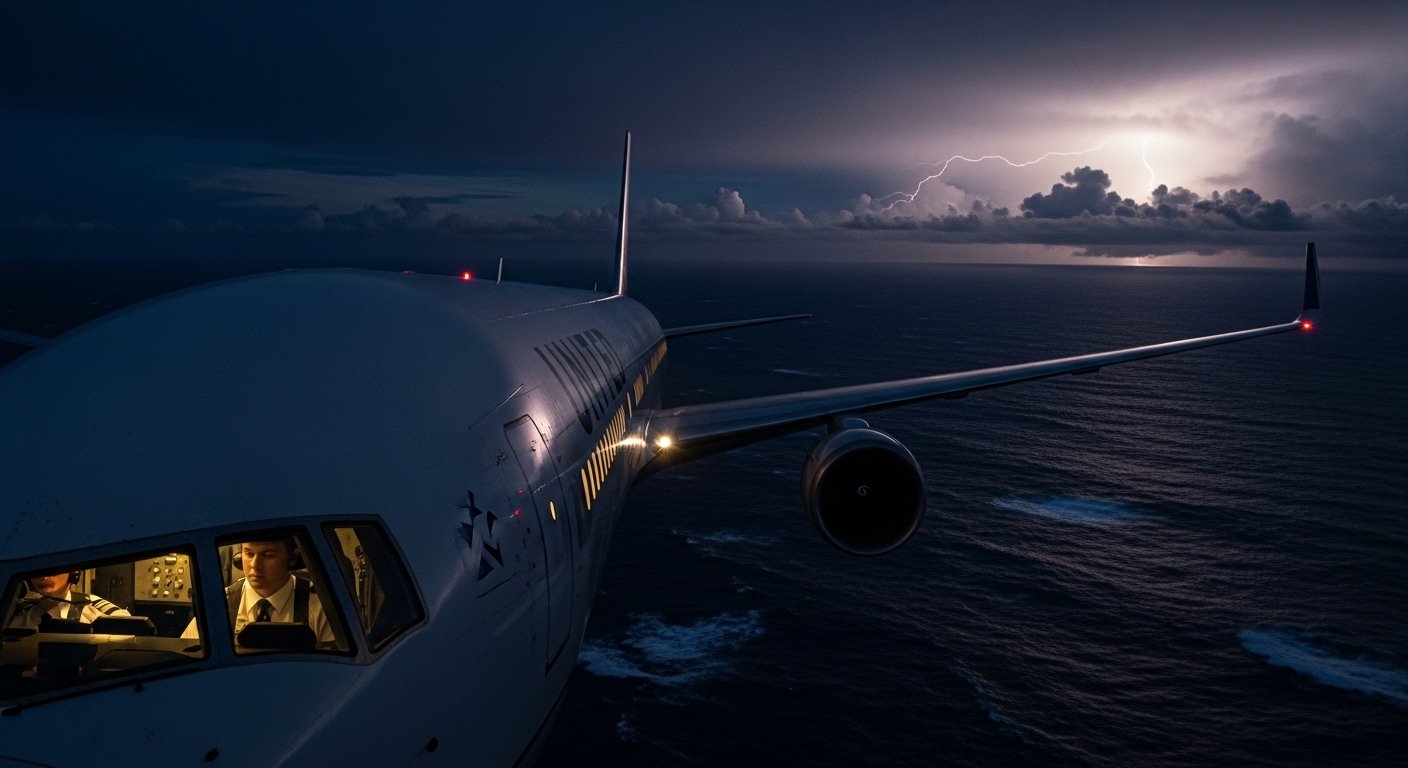
Imagine cruising over the vast Atlantic Ocean, hours into a transatlantic flight from Italy to the U.S., when suddenly the pilots announce an unexpected change in plans. For passengers on United Airlines Flight UA967 on August 24, 2025, this nightmare scenario became reality as their Boeing 767-300ER diverted to a remote airport in Newfoundland, Canada. What started as a routine journey from Naples to Newark turned into a mid-air drama involving a mysterious technical issue, a precautionary landing, and hours of uncertainty.
In this comprehensive 2026 guide, we’ll break down the full timeline, uncover the real causes, share passenger stories, and explore what it means for airline safety today. Whether you’re a frequent flyer curious about diversions or planning your next trip, this story highlights why aviation protocols exist, and how they keep us safe. We’ll also cover passenger rights under EU261 and tips for handling similar situations.
If you’ve experienced a flight diversion, share your story in the comments below. Let’s dive in!
The Timeline: What Happened Step-by-Step
United Flight UA967 was a scheduled international service from Naples International Airport (NAP) in Italy to Newark Liberty International Airport (EWR) in New Jersey, USA. Operated by a Boeing 767-300ER (registration N671UA), the flight carried passengers eager to return home or start vacations. But delays and an in-flight issue turned it into a multi-day ordeal.
Here’s a detailed breakdown of events, based on flight tracking data and reports:
| Time/Event | Details |
| August 24, 2025, 5:13 p.m. CEST (3:13 p.m. UTC) | Flight departs from Naples (NAP) Gate B10, already delayed by about three hours due to operational issues. The Boeing 767-300ER climbs to cruising altitude for the planned 9-10 hour journey across the Atlantic. |
| Mid-Flight (Approximately 7 hours in, over the mid-Atlantic) | Crew detects a burning smell from the aircraft’s fan system, prompting an emergency declaration. The pilots contact air traffic control (heard on Gander Center frequency 133.150) and decide to divert for safety. Initial reports mentioned possible turbulence or weather, but it was confirmed as a technical problem. |
| August 24, 2025, 8:25 p.m. NDT (10:55 p.m. UTC) | Safe landing at St. John’s International Airport (YYT), Newfoundland, Canada, on Runway 28. Emergency services meet the plane, but no fire or evacuation is needed. Passengers deplane while maintenance inspects the aircraft. |
| August 25, 2025, Early Morning | A replacement Boeing 767-300ER (registration N673UA) is arranged. The flight resumes from YYT to EWR, arriving significantly delayed. United provides accommodations and rebooking options for affected passengers. |
The diversion added hours to the journey, but safety was prioritized. Flight tracking from FlightAware shows the plane was about 460 nautical miles east-southeast of St. John’s when the issue arose.
For a visual of the flight path:
What Caused the Diversion? Analyzing the Reasons
The official reason for UA967’s diversion was a “technical issue,” specifically a burning smell originating from the aircraft’s fan system. Early rumors on social media suggested weather-related turbulence, but aviation experts and reports clarified it was mechanical, likely a precautionary measure to avoid potential escalation over the ocean.
In aviation, burning smells can stem from various sources:
- Electrical or Mechanical Faults: Overheated components in the air conditioning or galley systems.
- Fan System Issues: As reported, this could involve the recirculation fans, which manage cabin air.
- Other Possibilities: Contaminated air from engines (rare but possible) or minor galley incidents.
United Airlines emphasized that passenger safety was never compromised, and the diversion followed standard protocols. No NTSB or FAA investigation was launched, as it was classified as a routine diversion without incident. This aligns with about 1,000 annual U.S. diversions, often due to mechanical precautions (FAA data).
Compared to other mid-Atlantic diversions, UA967 was straightforward, unlike cases involving severe turbulence or medical emergencies.
Passenger Experiences and Reactions
Passengers described a mix of anxiety and relief. On Reddit and Facebook aviation groups, one traveler noted: “We heard the announcement about a ‘technical issue’ mid-flight, hearts racing, but the crew stayed calm.” Another shared on X: “Landed safely in St. John’s, unexpected stop, but better safe than sorry.”
Common themes:
- Initial Panic: The smell and emergency declaration caused worry, especially over water.
- Crew Professionalism: Pilots and attendants reassured everyone, providing updates.
- Ground Experience: At YYT, passengers waited for inspections; some received hotel vouchers due to the overnight delay.
- Social Media Buzz: Posts on platforms like Facebook’s Flight Spotters group highlighted the diversion, with spotters sharing photos of the plane on the tarmac.
No major complaints surfaced, though some sought compensation for the 3+ hour delay under EU261 regulations (up to €600 per person for international flights).
United Airlines’ Response and Safety Implications
United’s response was swift: “UA967 was diverted due to a mechanical issue,” per their statement. They arranged a replacement aircraft and supported passengers with rebookings. This reflects United’s 2025 safety focus, amid a fleet of over 900 planes.
Broader implications:
- Safety First: Diversions prevent risks, better on ground than mid-air.
- United’s Record: In 2025, United had a 2-3% diversion rate, mostly precautionary.
- Industry Trends: Aging fleets like the 767 (average 20+ years) increase maintenance needs, but rigorous checks minimize issues.
For travelers: Pack essentials (meds, chargers) and know apps like United’s for real-time updates.
Similar Incidents and Prevention in 2026
UA967 isn’t isolated. In 2025, United had several diversions:
- SFO-Boston: Wing slat issue.
- Other mid-Atlantic: Medical or weather-related.
Prevention in 2026:
- Enhanced maintenance with AI predictive tools.
- Crew training for quick decisions.
- Passenger prep: Download airline apps, buy travel insurance.
Read Also “Top Airline Diversions 2026“
FAQ: United Flight UA967 Diversion
Q1: Why was UA967 diverted?
A: Due to a technical issue, a burning smell from the fan system.
Q2: Were passengers safe?
A: Yes, the landing was safe with no injuries.
Q3: How to get compensation for UA967?
A: File under EU261 via United’s site/app, up to €600 for delays >3 hours.
Q4: What aircraft was involved?
A: Boeing 767-300ER, N671UA.
Q5: Has United had similar diversions?
A: Yes, several in 2025 due to mechanical issues.
Conclusion
United Flight UA967’s diversion underscores aviation’s commitment to safety, a burning smell led to a safe detour, protecting everyone. As we head into 2026, incidents like this remind us to stay informed and prepared.
If this helped, subscribe for more airline insights. Have a diversion story? Comment below! Safe travels.