
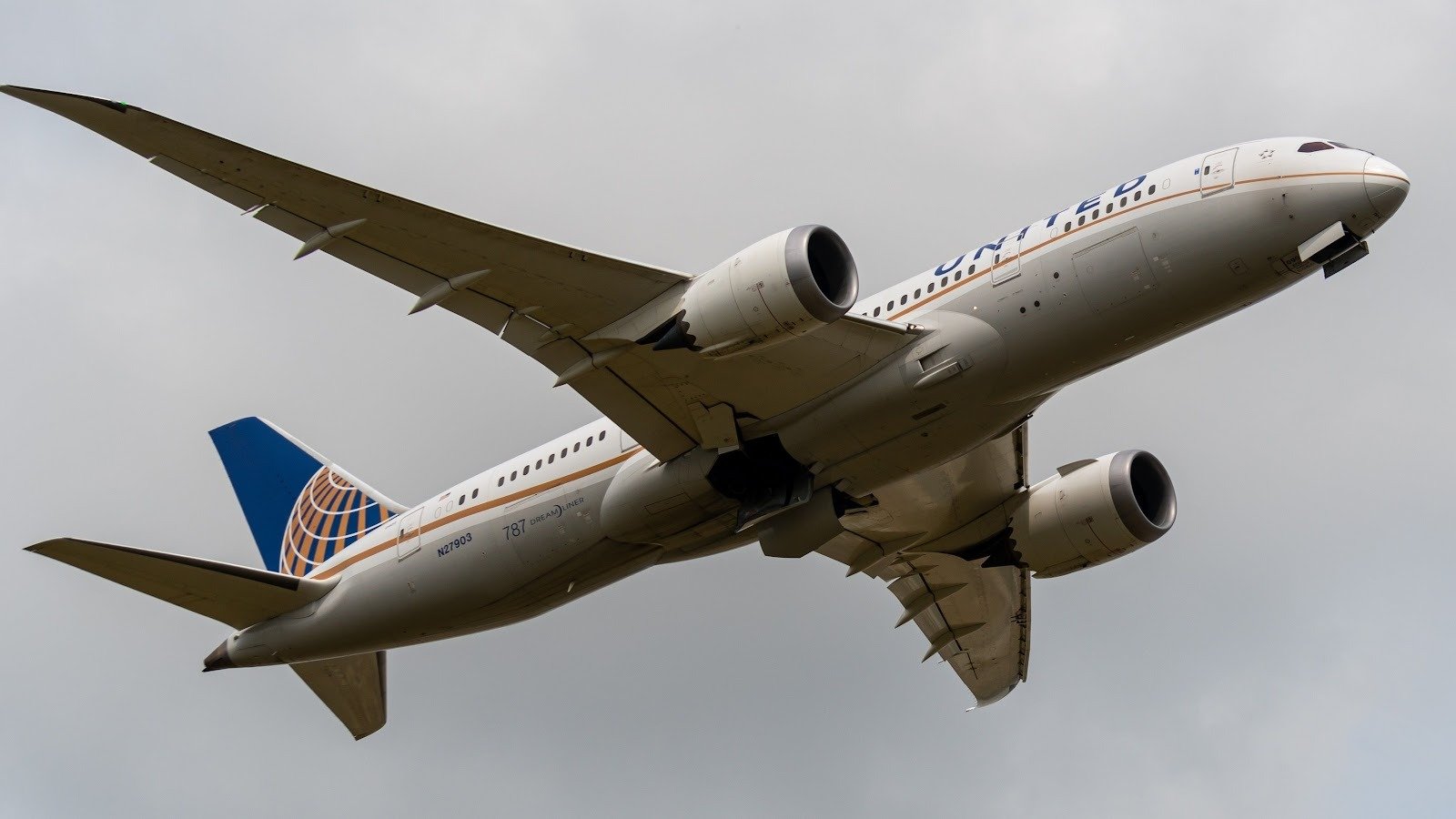
On October 30, 2025, a routine transatlantic flight turned into an unexpected detour when United Airlines Flight UA109, en route from Munich to Washington Dulles, suddenly executed a U-turn over the North Atlantic and diverted to Dublin. What started as a seemingly minor issue, a flight attendant’s painful blister, quickly escalated into a full precautionary diversion. This incident highlights a key aspect of modern aviation safety: crew medical emergencies are treated with the utmost priority, often leading to immediate action even when the condition isn’t life-threatening.
In this full breakdown, we’ll explore the details of the UA109 event, the reasons crew health issues trigger diversions so swiftly, and how this case compares to a similar Delta diversion on the same day.
Overview of the UA109 Incident
United Airlines Flight UA109 departed Munich International Airport (MUC) around 9:00 AM local time on October 30, 2025, bound for Washington Dulles International Airport (IAD). The aircraft was a Boeing 787-8 Dreamliner (registration N28912), carrying approximately 200 passengers and crew on a standard long-haul route across the Atlantic.
About 90 minutes into the flight, roughly 500–600 nautical miles west of Ireland, a cabin crew member reported worsening pain from a blister. The discomfort had intensified to the point where it could impair the flight attendant’s ability to perform essential duties. The captain, following standard protocols, decided to divert rather than risk continuing the remaining hours of the flight.
The plane made a safe U-turn and landed at Dublin Airport (DUB) around 3:00 PM GMT. Medical professionals assessed the crew member on the ground, confirming no serious injury or need for hospitalization. After a short ground time of about an hour, the flight resumed with the same aircraft and passengers, departing Dublin at approximately 4:15 PM GMT and arriving in Washington around 6:30 PM local time, resulting in only a roughly two-hour delay overall.
No passengers were injured, and no emergency evacuation was required. Dublin’s role as a key ETOPS (Extended-range Twin-engine Operational Performance Standards) alternate airport for transatlantic routes made it an ideal and efficient choice.
Timeline: What Happened Minute by Minute
- ~9:00 AM CET: Departure from Munich (MUC).
- ~10:30 AM CET: Cabin crew reports escalating blister pain via ACARS message to operations.
- ~11:00 AM GMT: Captain decides on diversion; aircraft begins U-turn over the North Atlantic.
- ~3:00 PM GMT: Safe landing at Dublin Airport (DUB).
- ~4:15 PM GMT: After medical assessment and clearance, departure resumes to IAD.
- ~6:30 PM EDT: Arrival at Washington Dulles, total delay ~2 hours.
Tracking data from sources like Flightradar24 captured the dramatic U-turn mid-ocean, underscoring how quickly the situation was managed.
The Medical Emergency: Why a Blister Led to Diversion
The issue was a flight attendant experiencing severe pain from a blister that had worsened during the flight. While not life-threatening, the pain limited mobility and potentially compromised the crew member’s ability to handle safety-critical tasks, such as assisting in an evacuation or managing cabin service on a long-haul flight.
Onboard medical resources are limited, basic first-aid kits, trained crew, and remote consultations via satellite or radio. A condition that might seem manageable on the ground can deteriorate over hours in a confined environment with no immediate hospital access. In this case, the crew member’s impairment could affect overall flight safety, prompting the diversion as a precaution.

Why Crew Medical Emergencies Are Prioritized in Aviation
Aviation safety hinges on the fitness of the crew. Unlike passenger medical issues, where diversions depend on the patient’s condition and nearby facilities, crew emergencies receive heightened priority because crew members are essential for safe operations. Regulations from bodies like the FAA and EASA require crew to be fully fit; any impairment can reduce staffing for emergencies, affect rest cycles, or hinder response capabilities.
The captain has ultimate authority and often consults ground-based medical services (e.g., MedLink or MedAire) via satellite. These experts assess symptoms, history, and risks to recommend whether to continue or divert. Factors include medical urgency, available diversion airports, weather, fuel, and operational constraints. Diversions are proactive, erring on the side of caution to prevent escalation.
In-flight medical events occur regularly, but crew cases often trigger quicker action due to their direct impact on safety. For twin-engine aircraft like the 787, ETOPS rules mandate reliable alternates like Dublin, ensuring swift response.

Comparison to Similar Events: The Delta Diversion on the Same Day
Remarkably, October 30, 2025, saw another transatlantic diversion to Dublin: Delta Air Lines Flight DL257 from Amsterdam to Boston. This Airbus A330 diverted due to a strong “rotten egg” sulphuric odor (likely an air-conditioning issue), causing light-headedness and nausea among two flight attendants.
Similarities:
- Same date and diversion airport (Dublin).
- Crew health impacted (impairment requiring precautionary landing).
- Safety-first response with no serious injuries.
Differences:
- UA109: Individual crew medical issue (blister pain).
- DL257: Environmental factor (fumes affecting multiple crew).
- UA109 resumed with the same aircraft after quick assessment; DL257 likely needed maintenance or crew replacement.
Both underscore aviation’s swift handling of crew-related issues, with Dublin proving reliable as a transatlantic alternate.
Lessons and Broader Implications for Aviation Safety
Incidents like UA109 demonstrate that precautionary diversions are a strength, not a weakness, of the industry. They reinforce the importance of crew wellness monitoring, robust onboard protocols, and strategic alternates. Advances in remote medical support and better crew training continue to improve outcomes, keeping flying one of the safest travel modes.
Conclusion
The diversion of United Flight UA109 was a textbook example of prioritizing crew health to ensure overall flight safety. A seemingly small blister prompted swift action, preventing potential risks on a long-haul journey. Paired with the Delta incident the same day, it reminds us why aviation errs on caution, crew fitness is non-negotiable, and safety always trumps schedule.
Frequently Asked Questions
1. Why did United Flight UA109 divert to Dublin?
A flight attendant’s painful blister worsened mid-flight, impairing their ability to perform safety duties. The captain diverted as a precaution following standard aviation protocols.
2. Was a blister serious enough to turn the plane around?
Yes. Crew members must remain fully fit for emergency response. Any condition that could reduce safety performance triggers an immediate diversion, even if not life-threatening.
3. How long was the delay for passengers?
Only about 2 hours total. The flight landed in Dublin, the crew member was checked, and the same plane continued to Washington Dulles with no further issues.
4. Why was Dublin chosen for the diversion?
It was the nearest suitable ETOPS alternate airport with full medical and runway facilities, just 500–600 nautical miles away, allowing the quickest and safest landing.
5. How does this compare to the Delta diversion the same day?
Both flights diverted to Dublin due to crew issues with zero serious injuries. UA109 was a personal medical problem (blister); Delta DL257 was caused by cabin fumes affecting two attendants.