Imagine you’re soaring over the Atlantic on United Flight UA770 from Barcelona to Chicago when, about 90 minutes into the flight, the crew detects a cabin pressurization anomaly. The pilots declare a squawk 7700 emergency and divert to London Heathrow Airport for a safe landing. This real 2025 incident, involving a Boeing 787-9 Dreamliner, highlights how even routine transatlantic journeys can face unexpected challenges like mechanical issues or medical emergencies. But armed with knowledge of your rights, you can turn disruption into empowerment. Many passengers miss out on entitlements because they don’t distinguish between airline-controllable events (e.g., technical faults) and uncontrollable ones (e.g., weather). This fully updated 2026 guide demystifies the process, equipping you with actionable steps to secure refunds, vouchers, and support from United Airlines, ensuring your safety, comfort, and compensation are prioritized.
What Caused the UA770 Emergency Diversion?
The most notable UA770 diversion occurred on May 27, 2025, when the flight from Barcelona-El Prat Airport (BCN) to Chicago O’Hare (ORD) encountered a pressurization system irregularity at cruising altitude. This triggered the squawk 7700 code, alerting air traffic control to a general emergency requiring immediate priority. No injuries were reported, and the plane landed safely at Heathrow around 4:55 PM BST. Other UA770 flights have diverted for medical emergencies (e.g., Denver to San Francisco) or mechanical alerts (e.g., Denver to Newark rerouted to California). These events underscore aviation’s focus on safety, with crews trained to act swiftly.
Timeline of the UA770 Barcelona-Chicago Diversion
- Takeoff (Approx. 3:00 PM CEST): Flight departs Barcelona smoothly.
- Mid-Flight Alert (Approx. 4:30 PM CEST): Pressurization anomaly detected; squawk 7700 activated.
- Diversion Decision: Crew coordinates with ATC for nearest suitable airport, London Heathrow.
- Landing (4:55 PM BST): Safe touchdown on Runway 27R; passengers deplaned and rebooked.This controlled response prevented escalation, similar to past United incidents but without the drama of Flight 232’s 1989 crash.
Thing #1: The Choice – Free Rebooking or a Full Cash Refund
Per 2026 DOT regulations, if a diversion causes a “significant delay” (over three hours domestically or six internationally), you’re entitled to a full refund in your original form of payment if you choose not to continue. This gives you flexibility, perhaps switching to a competitor like Delta for a quicker route. United must also offer free rebooking on the next available flight, including partners, without fees. In the UA770 Heathrow case, passengers were re-accommodated promptly, minimizing downtime.
Thing #2: Meal Vouchers (The 3-Hour Threshold)
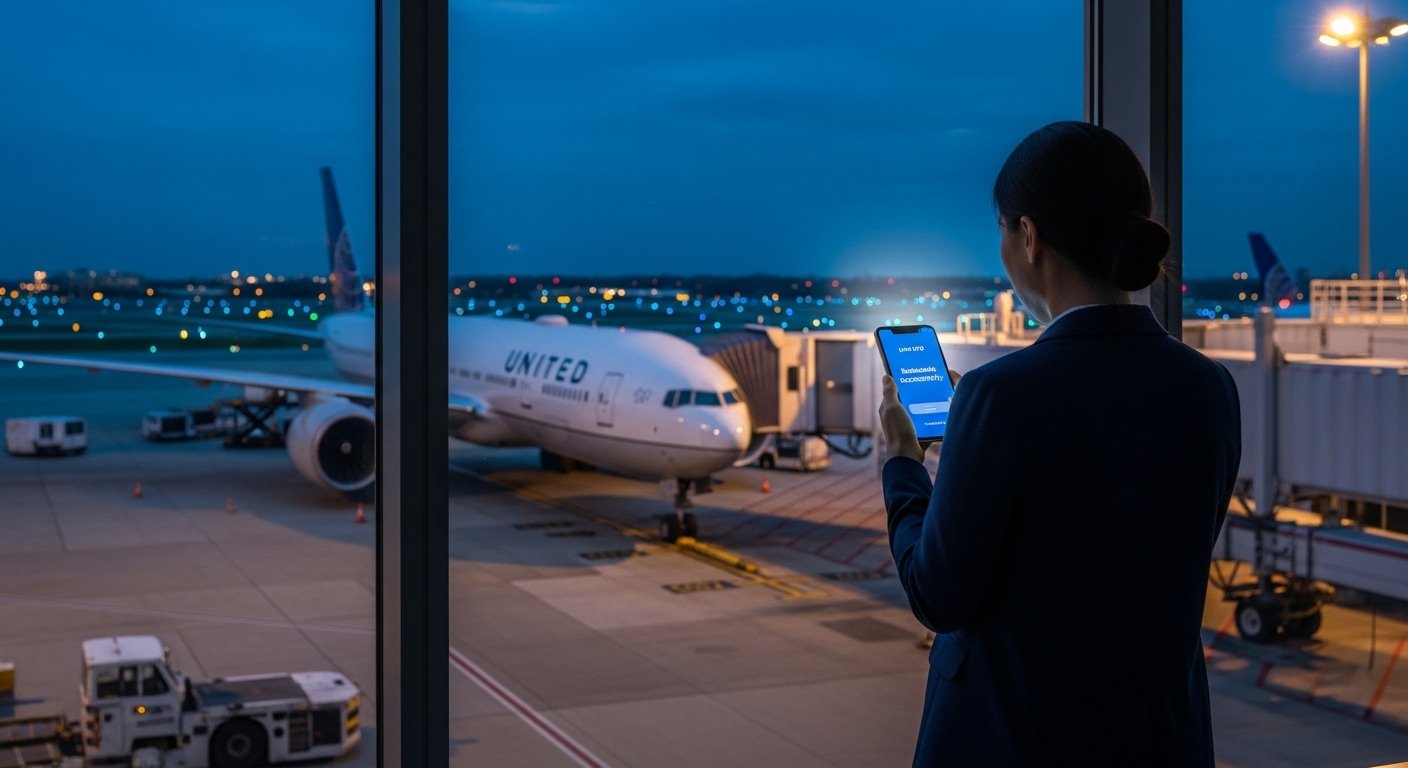
For controllable diversions like mechanical or pressurization issues, United provides meal vouchers if your ground delay exceeds three hours. This keeps you nourished during waits, vouchers often load directly into the United app for easy use at airport eateries. Pro tip: Document everything; if vouchers aren’t issued, claim reimbursement later via united.com.
Thing #3: Overnight Hotel & Transportation
If the diversion leads to an overnight stay (no same-day options), United covers hotel accommodations and ground transport to/from the hotel. In Heathrow scenarios, this meant shuttles to nearby lodgings. If unavailable, book reasonably and submit receipts, United’s policy ensures you’re not out-of-pocket for airline faults.
Thing #4: Tarmac Essentials (The 2-Hour Rule)
Post-diversion, if you’re stuck on the tarmac, federal rules require water, snacks, working restrooms, and medical access within two hours. This protects health, especially in pressurization-related events where cabin conditions might be monitored closely. Crews on UA770 maintained calm, adhering to these standards.
Thing #5: “Agent on Demand” & Communication
Use United’s Agent on Demand for virtual assistance via video chat, bypassing long lines. Airlines must update passengers every 30 minutes during diversions, fostering transparency. In the 2025 incident, timely announcements helped ease anxiety, turning a tense situation into an organized resolution.
The “Fine Print”: Controllable vs. Uncontrollable
Key distinction: Controllable causes (e.g., UA770’s pressurization anomaly) mandate perks like meals and hotels. Uncontrollable ones (e.g., weather) are discretionary. Always leverage travel credit cards like Chase Sapphire Reserve, which often fill gaps with trip delay insurance up to $500 per ticket.
(FAQs) About United Flight UA770 Emergency Diversions
What caused the United Airlines Flight UA770 emergency diversion?
Primarily a cabin pressurization anomaly on the Barcelona-Chicago route, leading to a squawk 7700 and safe landing at Heathrow. Other cases involved medical or mechanical issues.
What’s the difference between controllable and uncontrollable diversions?
Controllable (airline faults like technical glitches) require compensation; uncontrollable (weather) may not, but United often provides goodwill gestures.
How do I claim a refund from United after a diversion?
Via the app, gate agent, or united.com if delay exceeds thresholds. Opt out for full cash back, empowering your travel decisions.
Does United provide meals for all diversions?
Mandatory for controllable ones over three hours; optional otherwise. Credit cards can cover shortfalls.
What if I’m stuck on the tarmac longer than 2 hours?
United supplies essentials like water and medical aid to ensure safety.
Can I use credit card insurance for diversion costs?
Yes, premium cards reimburse hotels/meals when airlines fall short, adding resilience.
Were there injuries on UA770?
No reported injuries in the Heathrow diversion; all landed safely.
Control the Chaos
The UA770 emergency diversion exemplifies aviation’s robust safety protocols, prioritizing passengers over plans. By mastering your rights, you transform setbacks into opportunities for advocacy. Have you experienced a similar diversion? Share your story in the comments below!