
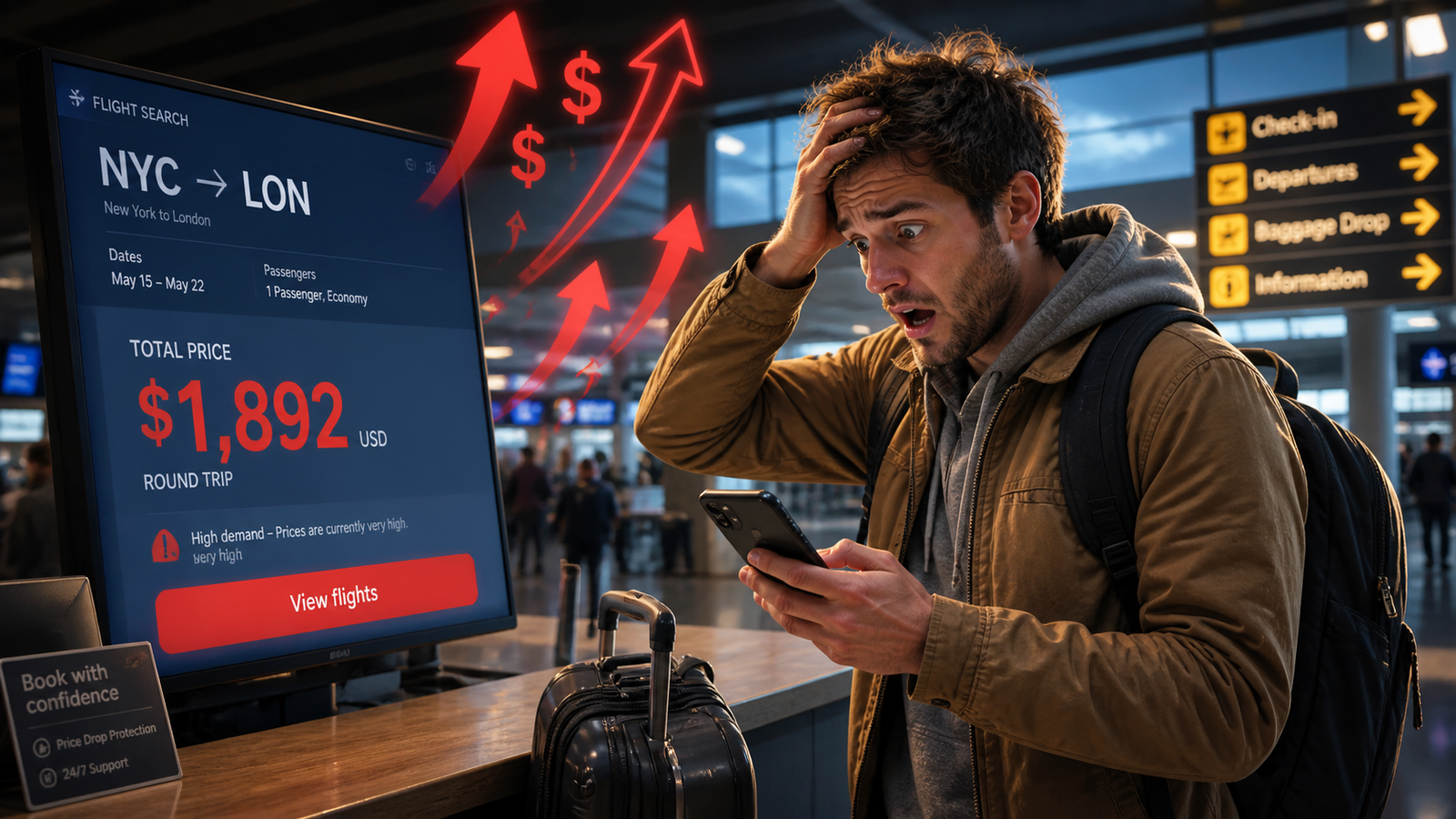
You booked what seemed like a fantastic flight deal, only to watch the same route drop $300 cheaper just days later. Or worse you paid full price because of a last-minute change. Sound familiar? Flight prices are notoriously volatile, influenced by algorithms, demand, competitor pricing, and even your own browsing habits. Small, seemingly harmless decisions can easily add $200–$800 to a round-trip ticket.
1. Booking at the Wrong Time
Timing is everything in air travel. For domestic flights, the sweet spot is usually 1.5 to 3 months before departure. For international flights, aim for 2 to 8 months in advance, depending on the destination and season.
Last-minute bookings are expensive because airlines know desperate travelers will pay premium prices. Conversely, booking too far ahead (more than 6–11 months) can also be costly since airlines haven’t released their deepest discounts yet and prices may drop later.
Pro Tip: Use Google Flights’ date grid to spot the cheapest days instantly.
2. Not Using Incognito Mode
Airlines and online travel agencies use dynamic pricing. When they detect repeated searches from the same user, they often raise prices assuming higher urgency.
The fix is simple: always search in incognito/private mode. This prevents cookies from tracking your interest.
Bonus Tip: Use a VPN to check prices from different cities or countries prices can vary significantly based on your perceived location.
3. Ignoring Flexible Dates and Airports
Sticking strictly to Friday–Sunday travel or your home airport’s exact dates is one of the fastest ways to overpay. Mid-week flights (Tuesday and Wednesday) are often significantly cheaper.
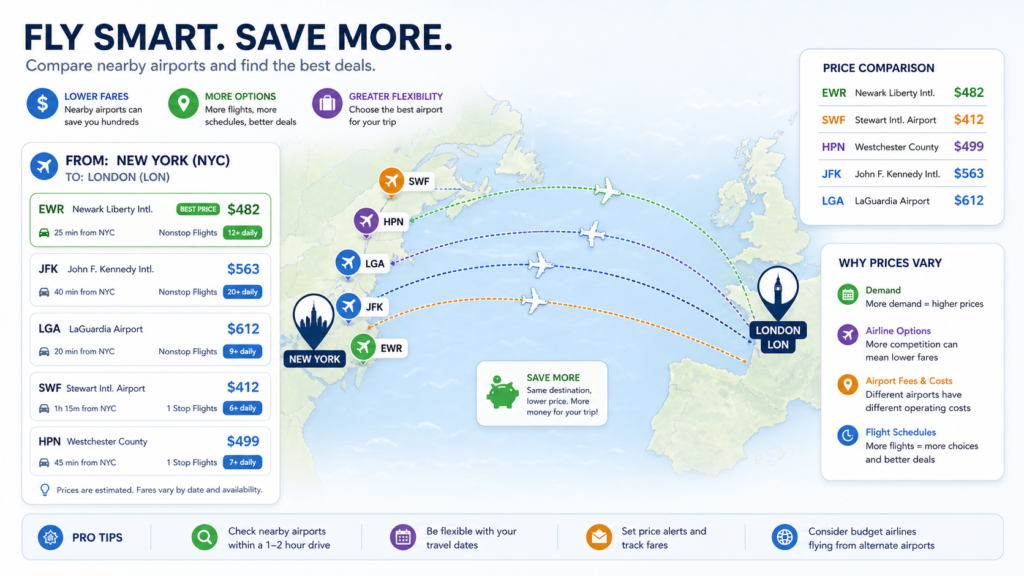
Tools like Google Flights’ flexible date search and “Explore” map make it easy to compare options. Don’t forget secondary airports flying into Oakland instead of San Francisco or into Bergamo instead of Milan can save a fortune.
4. Skipping Price Alerts and Comparison Tools
Set price alerts once you find a decent fare. The best tools include:
- Google Flights (most powerful date grid)
- Kayak and Skyscanner
- Hopper (predicts price drops)
Check multiple platforms and set alerts on all of them. Prices can drop dramatically in the weeks before departure.
5. Forgetting About Baggage and Hidden Fees
Low base fares often come with strict baggage rules. Budget airlines charge heavily for checked bags, and even major carriers now charge for basic carry-ons on some routes. Seat selection, priority boarding, and change fees add up quickly.
Solution: Pack light, choose carry-on only when possible, and read the fine print before booking.

6. Booking Directly Through Airlines vs Aggregators
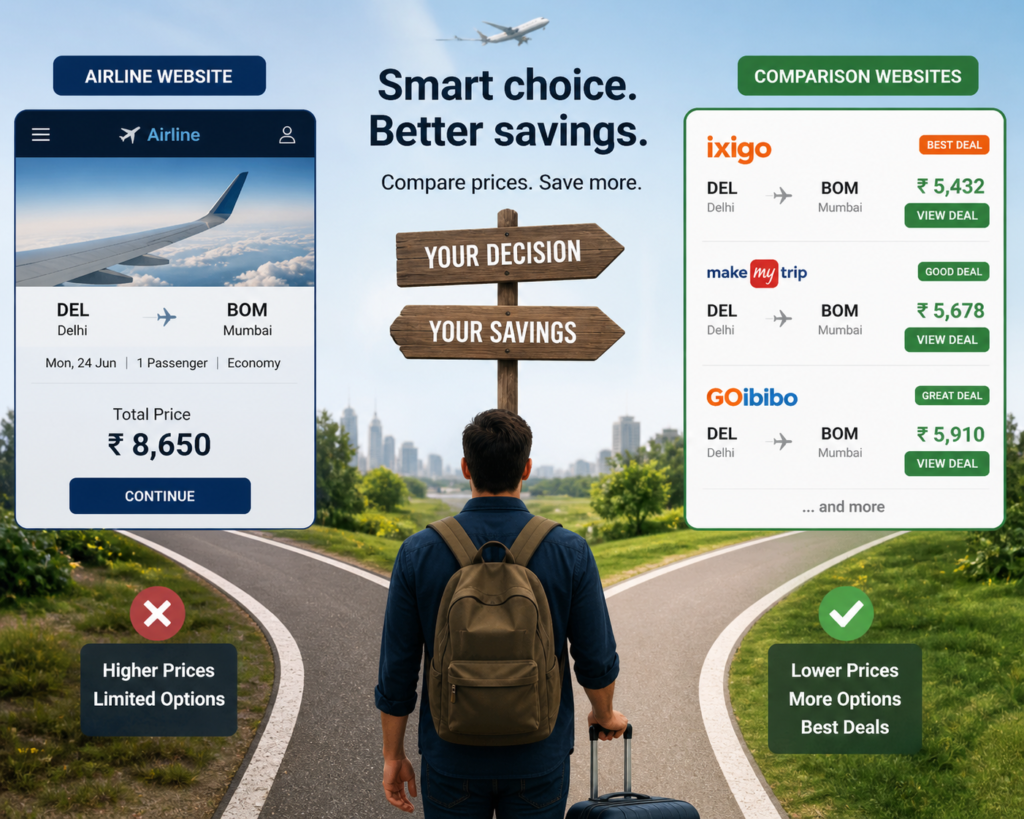
Comparison sites (aggregators) usually show the lowest fares, but booking directly with the airline offers better customer service, easier changes, and loyalty points.
Best strategy: Search on aggregators first to find the lowest price, then check the airline’s site for the same itinerary. Book directly if the price is similar.
7. Not Using Credit Card Rewards & Points
Travel credit cards can dramatically reduce or eliminate flight costs. Popular options include Chase Sapphire Preferred, Amex Gold, and Capital One Venture cards.
Learn to transfer points to airline partners (e.g., Chase to United, Amex to Delta, Air France/KLM). Strategic redemptions can yield 2–5 cents per point in value.
8. Paying in the Wrong Currency or Ignoring Refundable Options
Some international sites offer lower prices when paying in local currency. Always compare both options.
Refundable tickets cost more upfront but provide peace of mind. For flexible travel, they can actually save money if plans change.
Start Saving on Flights Today
Flight costs don’t have to be stressful. By avoiding these eight mistakes timing your booking correctly, using incognito mode, staying flexible, setting alerts, watching fees, comparing wisely, leveraging rewards, and making smart payment choices you can save hundreds on every journey.
Frequently Asked Questions
When is the absolute best time to book flights?
For domestic flights: 1–3 months in advance. For international flights: 2–8 months ahead. Tuesdays and Wednesdays are often the cheapest days to book and fly. Avoid weekends and peak holiday periods.
Does using incognito mode actually lower flight prices?
Yes. Airlines and booking sites use cookies to track your searches and increase prices based on perceived demand. Incognito mode prevents this tracking. Combining it with a VPN gives even better results.
Are comparison websites always cheaper than booking directly with airlines?
Usually yes for the base fare, but not always. Search on Google Flights, Kayak, or Skyscanner first to find the lowest price, then check the airline’s official website. Sometimes the airline matches or beats the price and offers better change/refund policies.
Should I book refundable tickets even if they’re more expensive?
It depends on your plans. If your dates are flexible and you’re confident, non-refundable is fine. If there’s any uncertainty (work, health, visa issues), a refundable or flexible ticket can save money in the long run.
Do travel credit cards really help save money?
Absolutely. Cards like Chase Sapphire Preferred, American Express Gold, or Capital One Venture Rewards can earn you enough points/miles to cover many flights for “free” (especially through transfer partners).
Can I still get a good deal if I need to book last minute?
It’s harder, but possible. Set alerts, be flexible with dates and airports, consider budget airlines, and check for error fares or last-minute business class deals.