

Everyone has that one travel memory they’d rather forget cramped airplane seats, a hotel room that looked nothing like the photos, or a trip so exhausting it felt like work. For many people, these experiences create a strong belief: if you want to save money, you have to sacrifice comfort.
But here’s the truth this mindset is outdated.
Traveling on a tight travel budget doesn’t mean sleeping in noisy hostels, skipping meals, or dragging your luggage across the city to save a few dollars. It simply means making smarter, more intentional choices. The difference between a stressful trip and a comfortable one often isn’t money it’s planning
What Does a Smart Travel Budget Really Mean?

A travel budget isn’t about restriction it’s about control.
Most people think budgeting means cutting everything down to the cheapest option. That’s “cheap travel.” But smart travelers focus on value, not just price.
Think of it this way: cheap travel asks, “What’s the lowest I can pay?”
Smart travel asks, “What’s the best experience I can get for my money?”
That shift changes everything.
Instead of saving on everything, you prioritize comfort where it matters most like a good night’s sleep, safe transportation, and a convenient location. You cut costs on things that don’t impact your experience as much, such as luxury add-ons or overpriced tourist spots.
Plan Your Travel Budget Like a Pro
3.1 Set Priorities (Comfort vs Savings)
Before booking anything, decide what truly matters to you. Some travelers value a comfortable bed above all else, while others prioritize shorter travel times or good food experiences.
Once you know your priorities, it becomes easier to spend wisely. For example, you might choose a slightly more expensive hotel in a central location to save time and transportation costs later.
3.2 Use Budget Allocation Strategy
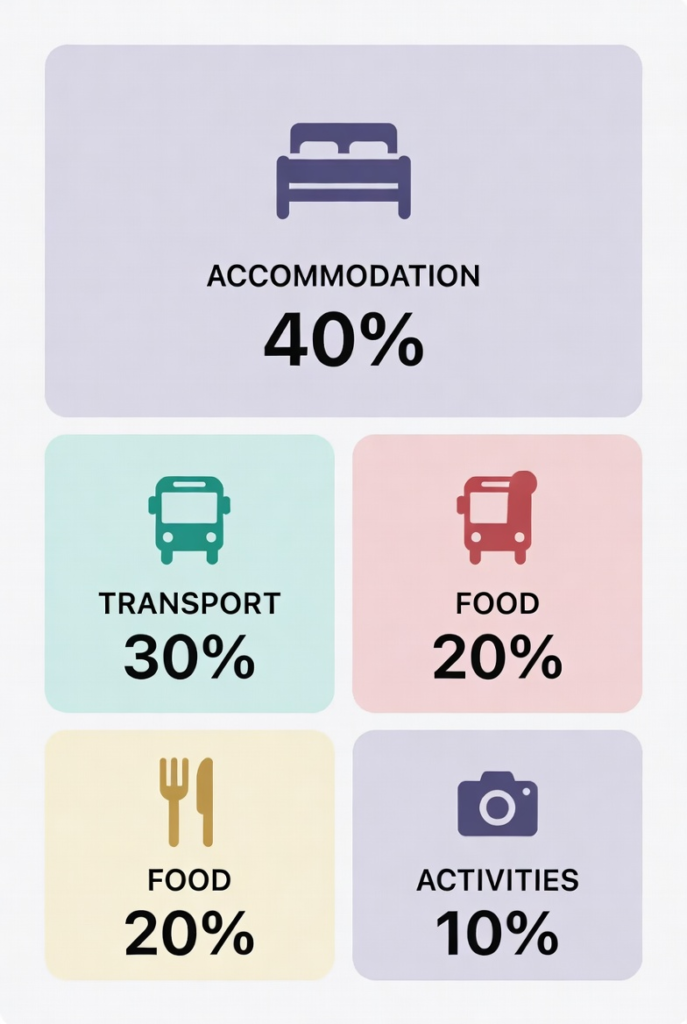
A simple way to manage your travel budget is by dividing it into categories. A common approach is:
- Accommodation: 40%
- Transport: 30%
- Food: 20%
- Experiences: 10%
This structure keeps your spending balanced and prevents overspending in one area while neglecting another.
3.3 Track Expenses Before You Travel
Many travelers only start tracking expenses during the trip but the real magic happens before you even leave. Planning your expected costs helps you avoid surprises and keeps your budget under control.
Even a simple note on your phone can make a big difference.
Book Smart, Not Cheap

4.1 Find Affordable Flights Without Discomfort
The cheapest flight isn’t always the best choice. A 3 a.m. departure with long layovers might save money, but it can drain your energy before your trip even begins.
Instead, look for flights that balance price and comfort. Booking a bit earlier, choosing reasonable timings, and comparing options carefully can help you find deals that don’t compromise your experience.
4.2 Choose Comfortable Yet Budget-Friendly Accommodation
Accommodation can make or break your trip. A low price might look attractive, but if the place is dirty, far from attractions, or poorly reviewed, you’ll end up paying in stress.
Look for places with strong reviews, good locations, and basic comfort standards. Whether it’s a hotel, guesthouse, or rental, the goal is simple: clean, safe, and convenient.
Travel Hacks That Save Money Without Cutting Comfort
5.1 Travel During Shoulder Season
Traveling just before or after peak season is like finding a hidden discount code for life. Prices drop, crowds thin out, and your overall experience becomes more relaxed.
5.2 Pack Smart to Avoid Extra Costs
Overpacking leads to baggage fees, while underpacking forces you to buy essentials at higher prices. Packing smart keeps your travel budget intact and your trip stress-free.
5.3 Use Public Transport the Smart Way
Public transport isn’t just cheaper it’s often more efficient. Trains, metros, and buses can save both money and time, especially in busy cities.
Eat Well Without Overspending
Food is one of the best parts of traveling, and cutting it completely would be a mistake. Instead, aim for balance.
Enjoy local restaurants for authentic experiences, try street food from safe vendors, and occasionally treat yourself to something special. Avoid tourist-heavy areas where prices are inflated but quality is often average.
A smart travel budget doesn’t eliminate good food it makes room for it.
Comfort Upgrades That Are Worth It
Some things are worth spending a little extra on because they improve your entire trip.
A good hotel bed can mean better sleep and more energy. A direct flight can save hours of exhaustion. Travel insurance can protect you from unexpected problems.
These aren’t luxuries they’re smart investments in a better experience.
Common Mistakes That Ruin Budget Travel Comfort
Many travelers unknowingly sabotage their own trips.
Booking the absolute cheapest option without checking reviews often leads to disappointment. Ignoring location can result in long daily commutes. Poor planning can stretch your travel budget and reduce comfort at the same time.
Avoiding these mistakes is just as important as finding good deals.
Sample Travel Budget Plan (Real-Life Example)
Imagine a 5-day trip with a total travel budget of $800:
- Accommodation: $320 (comfortable mid-range hotel)
- Transport: $240 (flights + local travel)
- Food: $160 (mix of local dining and casual meals)
- Experiences: $80 (attractions and activities)
This setup shows how you can maintain comfort without overspending. It’s not about luxury it’s about balance.
Benefits of Smart Travel Budgeting
When you manage your travel budget wisely, everything feels easier.
You don’t stress about money mid-trip. You enjoy better experiences without guilt. And when you return home, you’re left with memories not financial regret.
It’s a more sustainable and enjoyable way to travel.
Conclusion: Travel Smart, Not Just Cheap
Travel doesn’t have to be a choice between saving money and enjoying yourself.
A well-planned travel budget allows you to experience both. It’s not about spending more it’s about spending wisely. When you focus on value instead of just cost, you create trips that are not only affordable but also relaxing, memorable, and worth every penny.
So next time you plan a trip, don’t aim to travel cheap. Aim to travel smart.
FAQs About Travel Budget and Comfortable Travel
Q1: Can I travel comfortably on a low travel budget?
Yes, by focusing on essentials like accommodation and transport while cutting unnecessary expenses.
Q2: What is the biggest mistake in managing a travel budget?
Choosing the cheapest options without considering quality and comfort.
Q3: How much travel budget is enough for a comfortable trip?
It depends on your destination, but smart allocation matters more than the total amount.
Q4: Is it better to book early or last minute?
Booking early usually gives better options at lower prices, especially for comfortable stays.