

Imagine sprinting through the terminal, heart pounding, only to watch the gate door close right in front of you. Your flight is gone, and panic starts to set in. If this scenario sounds familiar, you’re not alone. Missing a flight is far more common than most travelers realize—whether due to unexpected traffic, security delays, or simple miscalculations. The good news? It’s rarely the end of the world.
Knowing what to do if you miss your flight can save you time and money, or a massive headache. In this comprehensive guide, we’ll walk you through why flights are missed, the immediate consequences, a clear step-by-step action plan, airline policies, practical tips, and prevention strategies. By the end, you’ll feel empowered to handle the situation calmly and efficiently, turning a potential disaster into a manageable detour.
1. Why Do People Miss Flights? Common Reasons
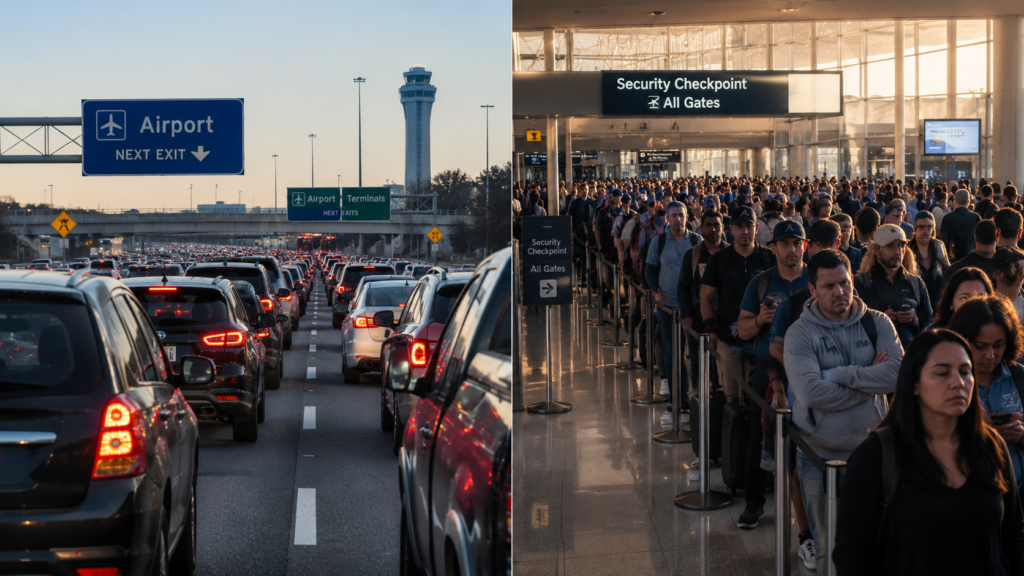
Travelers miss flights for a variety of preventable and unpredictable reasons. Understanding these can help you avoid them in the future.
- Oversleeping or traffic delays: Alarm failures or unexpected road congestion are top culprits, especially for early morning flights.
- Long security/immigration lines: Busy airports or heightened checks can eat up more time than expected.
- Wrong terminal or gate confusion: Large hubs with multiple terminals often lead to navigation errors.
- Flight schedule changes without notice: Airlines sometimes adjust times, and if you’re not monitoring closely, you might show up late.
- Personal emergencies: Sudden illness, family issues, or last-minute work demands can throw plans off track.
2. What Happens If You Miss Your Flight? Immediate Consequences
The fallout depends on whether your flight is domestic or international, your ticket type, and the airline’s policies.
Domestic vs. International: Domestic flights (especially in the US) often offer more flexibility for rebooking. International flights involve stricter security and baggage rules, and missing one can complicate visas or onward connections.
No-Show Status and Return Tickets: Most airlines treat a no-show as a breach of the contract. This often results in the cancellation of the entire itinerary, including return flights. Contact the airline immediately to protect remaining segments.
Baggage: On international flights, checked bags are typically removed for security reasons (per international regulations). On domestic flights, bags may fly without you and end up at the destination—requiring you to claim them later. Always notify the airline promptly.
Loss of Seat and Fees: Your seat is released, and you may face change fees or fare differences for rebooking.
Airline-Specific Policies (brief overview):
- Delta: Often allows rebooking on the next flight; no-show may cancel the itinerary.
- Emirates: Flexible for rebooking but strict on no-shows for multi-city tickets.
- Ryanair: Low-cost carrier with very rigid policies—often no refunds or easy changes.
- Others like United or American follow similar no-show cancellation rules.
3. What to Do If You Miss Your Flight: Step-by-Step Guide
This is the heart of the matter. Follow these steps promptly for the best outcome.
3.1 Stay Calm and Contact the Airline Immediately
Take a deep breath. Panic leads to poor decisions. Head to the airline’s ticket counter or call customer service right away. Use the airline’s mobile app if available—it’s often the fastest for updates. In-person or app contact usually yields better results than a general hotline during peak times.
3.2 Rebooking Options
- Ask about same-day standby or the next available flight.
- Many airlines waive or reduce change fees for goodwill, especially if you explain your situation politely.
- If you have travel insurance, file a claim for covered expenses or rebooking costs.
3.3 Understand Refunds and Compensation
- Refunds: Possible on refundable tickets or under specific rules. In the US, DOT requires automatic refunds for significant changes/cancellations you don’t accept.
- EU261: For flights departing from the EU (or arriving on EU airlines), you may get compensation (€250–€600) plus care (meals, hotels) for delays/cancellations—though voluntary no-shows have limits.
- Airlines sometimes provide hotel/meals vouchers depending on the reason and their policy.
3.4 If You Have Connecting Flights
- Single ticket: The airline must protect you and rebook connections at no extra cost.
- Separate tickets: You’re on your own—book new connections and claim insurance if applicable.
4. Airline Policies at a Glance (Comparison Table)
| Airline | Rebooking Flexibility | Change Fees (Typical) | No-Show Impact on Return | Notes |
|---|---|---|---|---|
| Delta | Good (next flight standby) | Often waived | Can cancel itinerary | Customer-friendly |
| Emirates | Moderate | Varies | Strict cancellation | Strong for long-haul |
| Ryanair | Low | High | Full ticket loss | Budget carrier rules |
| United | Moderate-Good | Varies by fare | Usually cancels | Flexible with status |
| American | Moderate | Varies | Cancels remaining | Similar to United |
| British Airways | Moderate | High on basic fares | Strict | Good EU protection |
Policies change; always check directly with the airline.
5. Practical Tips: How to Handle the Situation Smoothly

- What to say: “I missed my flight due to [brief reason]. I’d appreciate any options for rebooking on the next available flight or assistance with alternatives.”
- Travel insurance: Review your policy—many cover missed flights due to covered reasons. Keep all receipts.
- Last-minute accommodations: Use apps like Booking.com or HotelTonight for nearby hotels.
- Ground transportation: Trains, buses, or rideshares can be cheaper alternatives for shorter distances.
- Mental health: Avoid impulse-buying expensive tickets. Step away, grab a coffee, and make decisions with a clear head.
6. How to Prevent Missing Your Flight in the Future
Prevention is the best strategy:
- Arrive 3 hours early for international flights and 2 hours for domestic.
- Use flight tracking apps like FlightAware.
- Prepare documents and pack the night before.
- Set multiple alarms—and a backup with a friend or family member.
- Invest in travel insurance that includes missed flight coverage.
Conclusion
Missing a flight feels overwhelming in the moment, but it’s almost always fixable with calm action and the right information. By staying proactive, contacting your airline quickly, and understanding your rights, you can minimize disruption and get back on track. Remember: travel is about experiences, not perfection. The next time things go off schedule, you’ll know exactly what to do if you miss your flight.
Have you ever missed a flight? Share your story in the comments below or see our other guides to stay prepared. Safe travels!
FAQ Section
1. Can I get a refund if I miss my flight?
It depends on your fare type and airline policy. Non-refundable tickets usually offer no refund for voluntary no-shows, but you may rebook. Automatic refunds apply in cases of airline cancellations or significant changes under DOT rules.
2. What happens to my checked baggage if I miss my flight?
Bags are often offloaded on international flights. On domestic routes, they may proceed to the destination. Contact the airline immediately to arrange retrieval or rerouting.
3. Does travel insurance cover missed flights?
Yes, many comprehensive policies do—if the reason is covered (e.g., illness, accident, or certain delays). Always check policy details.
4. Will missing one flight cancel my return ticket?
Often yes, especially on a single ticket/itinerary. Contact the airline right away to reinstate or rebook the return.
5. How early should I arrive to avoid missing a flight?
2 hours for domestic, 3 hours for international. Add more time for peak seasons or complex airports.