

You’re planning a dream trip and staring at two options on your screen: a clean $80/night basic hotel or a stunning $350/night luxury property. Which one should you choose? This question haunts every traveler at some point. With travel costs rising, the temptation to save on accommodation is strong, but sometimes skimping leaves you regretting the decision.
The dilemma between cheap vs expensive hotels is real. Budget options can be perfectly functional, while luxury hotels promise unforgettable experiences. The truth? Neither is always better. It depends on your trip, priorities, and what you value most. Not all expensive hotels are a waste of money here’s exactly when a hotel splurge is worth it. In this guide, you’ll get a clear decision framework, real traveler examples, side-by-side comparisons, and practical tips to help you choose smarter on every trip.
Cheap vs Expensive Hotels: A Side-by-Side Comparison
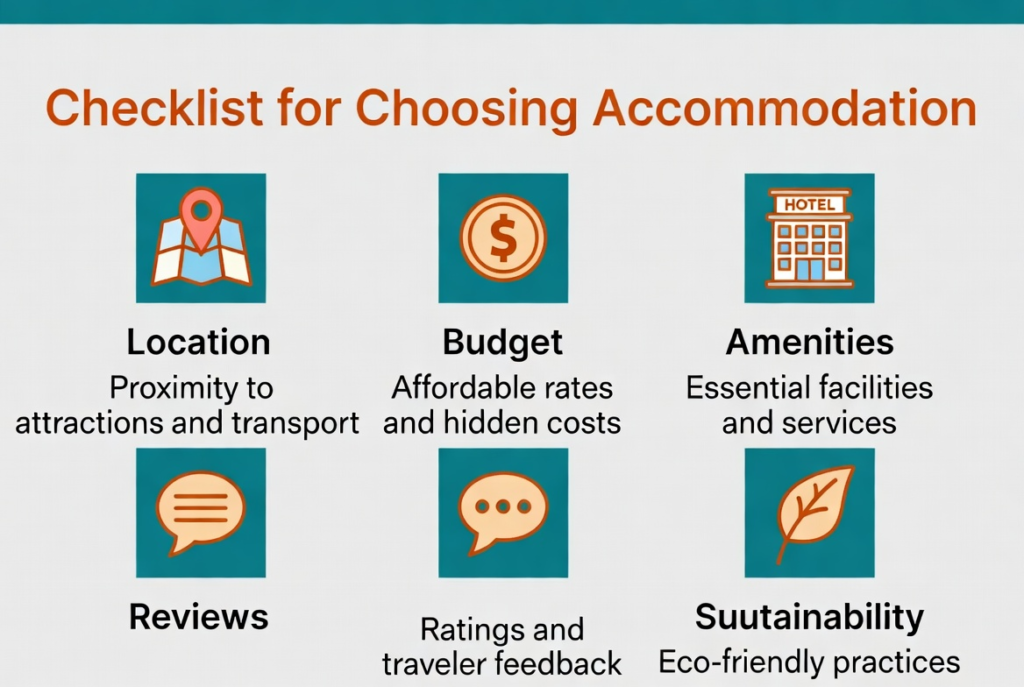
Understanding the real differences helps you move beyond price tags and evaluate actual value.
Price & Value Cheap hotels focus on affordability, often $50–150 per night. You get the basics: a bed, bathroom, and Wi-Fi. Expensive hotels ($250+) deliver higher perceived value through space, design, and exclusivity, though the premium isn’t always justified.
Amenities & Facilities Budget properties usually offer a pool, basic gym, or free breakfast. Luxury hotels provide spas, multiple restaurants, concierge services, infinity pools, and wellness centers that enhance your entire stay.
Location & Views Cheap hotels are often farther from attractions, requiring taxis or long walks. Premium hotels secure prime locations with breathtaking views think beachfront or overlooking iconic landmarks.
Service & Experience Expect limited staff interaction in budget hotels. Luxury properties deliver personalized service, faster check-ins, and attention to detail that makes you feel valued.
Cleanliness & Maintenance Both can be clean, but higher-end hotels generally maintain superior standards with frequent housekeeping and higher-quality furnishings that age better.
When Cheap Hotels Are the Smart Choice
Sometimes the best decision is saving your money. Cheap hotels shine in these situations:
- Business trips with tight schedules: You’re in meetings all day and only need a safe, comfortable base with reliable Wi-Fi.
- Short stays (1–2 nights): No point paying premium for a room you’ll barely use.
- Adventure/backpacking trips: You’ll spend most days exploring, returning only to sleep.
- Family trips with kids: Children often care more about the pool than room luxury, making budget resorts with good family facilities sufficient.
- When you just need a safe, clean bed: In safe neighborhoods with solid reviews, a basic hotel delivers everything essential.
When Is a Hotel Splurge Worth It?
This is the heart of the decision. A hotel splurge is worth it when the extra cost directly improves your trip experience and creates lasting memories. Here are the clearest scenarios:
- Honeymoons, anniversaries, or romantic getaways: These trips deserve magic. The right luxury setting elevates the entire celebration.
- Special occasions & celebrations: Birthdays, proposal trips, or milestone achievements feel more significant with elevated surroundings.
- Long stays (5+ nights): Better comfort, space, and facilities reduce fatigue and improve rest over extended periods.
- Luxury locations: Overwater villas in the Maldives, iconic hotels in Paris, or desert resorts in Dubai offer experiences you can’t replicate elsewhere.
- Workations or wellness retreats: Productivity and relaxation improve dramatically with inspiring environments, great workspaces, and on-site spas.
- When you need premium location: Hotels within walking distance to major attractions save time, money on transport, and energy.
- Unique experiences: Historic boutique hotels, architecturally stunning design hotels, or eco-resorts deliver stories and memories money can’t easily buy later.
The Hidden Costs & Hidden Value
Choosing cheap isn’t always cheaper. Budget hotels often charge extra for resort fees, parking, Wi-Fi, or breakfast. You also pay in comfort, time, and missed opportunities.
When you splurge strategically, you’re paying for:
- Time — Prime locations save hours
- Comfort — Better sleep and relaxation
- Memories — Experiences that stay with you forever
- Status & enjoyment — Feeling pampered and special
The opportunity cost of a cheap hotel can be exhaustion, disappointment, or regret on a once-in-a-lifetime trip.
Practical Framework: How to Decide

Use this simple 7-point checklist before booking:
- Trip purpose — Romance or celebration? Splurge. Pure transit or adventure? Save.
- Length of stay — Longer stays justify higher investment.
- Budget flexibility — Can you afford it without stress?
- Location importance — Is being in the heart of the city or by the beach critical?
- Special occasions? — Milestones deserve upgrades.
- Reviews & real value — Look beyond stars at recent guest photos and comments.
- Alternative uses of the money — Would the difference be better spent on tours, food, or flights?
Real Traveler Examples & Case Studies
Example 1: Couple in Bali Sarah and Mike chose a luxury villa with private pool instead of a basic resort. The romance and privacy made their honeymoon unforgettable they still talk about watching sunsets from their infinity pool years later.
Example 2: Solo traveler in Tokyo Alex picked a mid-range hotel in Shinjuku over a luxury one farther away. The perfect location allowed more exploration and less commuting. For him, location trumped luxury.
Example 3: Family in Europe The Thompson family mixed approaches budget hotels in busy cities for short stays and a splurge at a countryside chateau in France. The variety kept everyone happy without breaking the bank.
Pro Tips to Maximize Value in Both Categories
- Booking hacks for luxury hotels: Book during shoulder seasons, use points, or target last-minute deals on premium properties.
- Negotiate upgrades: Politely ask at check-in especially mid-week or during slower periods.
- Best times to splurge: Shoulder seasons offer luxury at better rates with fewer crowds.
- Loyalty programs worth joining: Hilton Honors, Marriott Bonvoy, and Accor ALL deliver free upgrades and perks that make splurging smarter.
- What to look for in reviews: Recent photos, mentions of noise, bed comfort, and staff service. Ignore only the very oldest or newest reviews.
Conclusion
Sometimes a cheap hotel is the perfect, practical choice. Other times, a hotel splurge is worth it for the comfort, memories, and experiences that transform an ordinary trip into an extraordinary one.
The key is being intentional with your decision instead of defaulting to cheapest or most expensive. Travel is about balance saving where it doesn’t matter and investing where it creates real joy.
What’s your next trip? Drop your destination and travel style in the comments below and I’ll tell you whether you should splurge on hotels there!