
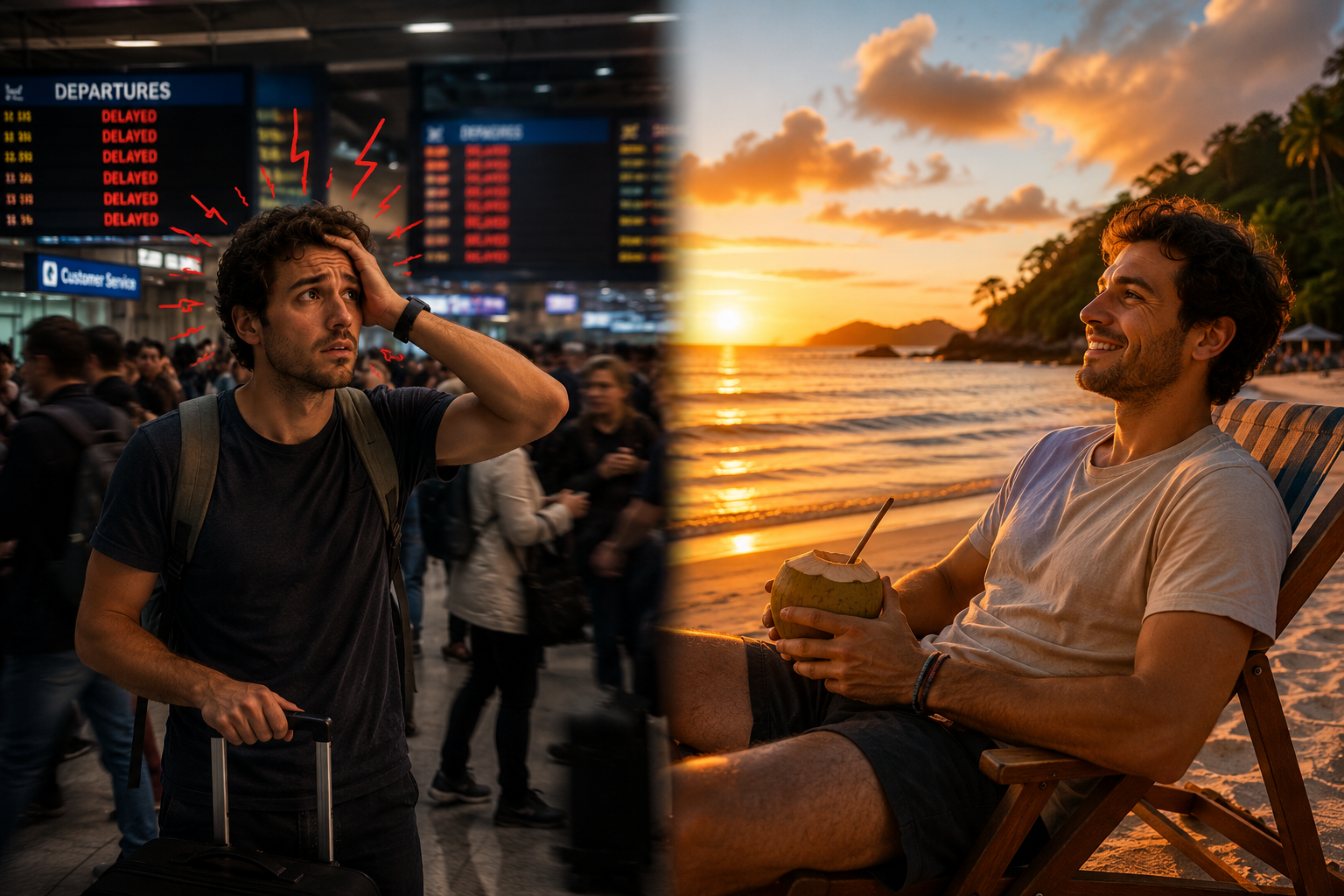
You’ve been dreaming about this trip for months. The destination looks perfect on Instagram, the itinerary is saved in a dozen tabs, and you’ve told everyone you’re finally getting away. But as departure day approaches, that familiar knot forms in your stomach. Instead of excitement, you feel dread. Sound familiar?
The truth is, travel feels stressful for millions of people even seasoned globetrotters. What should be joyful exploration often turns into a whirlwind of anxiety, overwhelm, decision fatigue, and fear of the unknown. You lie awake wondering if you chose the right hotel, if the flights will be delayed, or if you’ll actually enjoy the experience you spent so much money and time planning.
This isn’t just “in your head.” Travel feels stressful because of very real psychological and logistical triggers: endless choices, loss of control, hidden pressures, and sky-high expectations. The good news? These stressors are fixable. With the right mindset shifts and practical systems, you can transform travel from a source of tension into one of genuine restoration and joy.
Why Travel Feels Stressful – The Real Causes
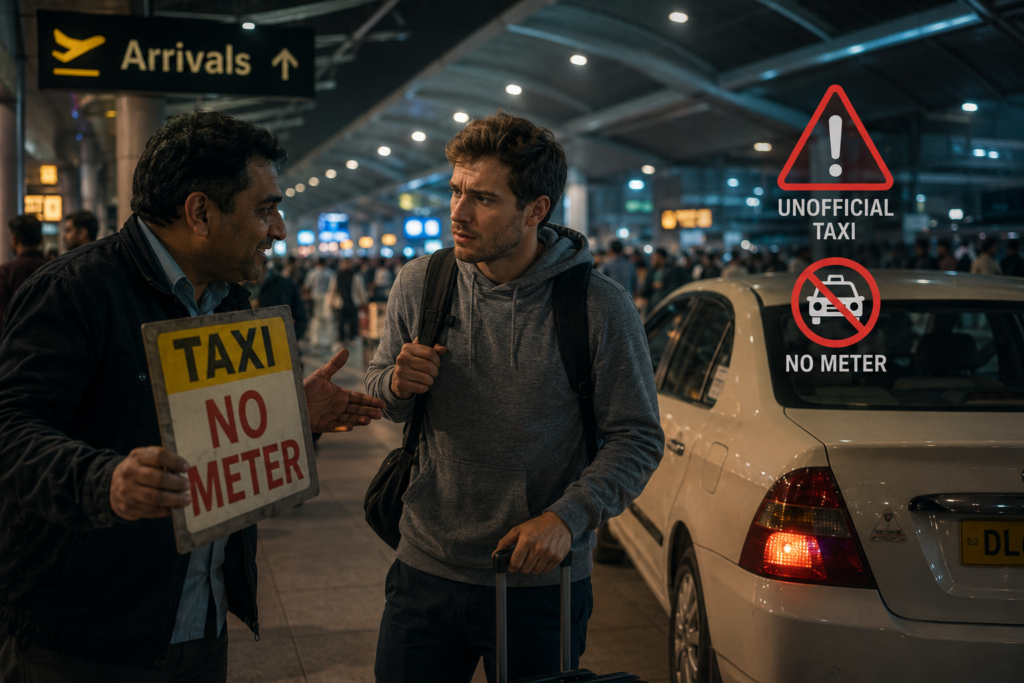
Realistic photo of a tourist being approached by an unofficial taxi driver at an airport arrivals area at night. The driver looks overly friendly while the tourist looks uncertain
The Planning Paradox
Modern travel gives us infinite options which is both a blessing and a curse. You start researching one destination and suddenly you’re comparing 47 flights, reading 300 hotel reviews, and second-guessing every activity. Decision fatigue sets in fast.
Then comes the FOMO (fear of missing out). What if there’s a better flight, a hidden gem restaurant, or a more Instagrammable viewpoint? You overplan to avoid regret, yet end up paralyzed by information overload. The very tools designed to help us (Google, TripAdvisor, TikTok) often make travel feels stressful by creating unrealistic standards and choice anxiety.
Uncertainty & Loss of Control
Even the best-laid plans can crumble. Weather changes, flight delays, language barriers, cultural surprises, or sudden illness can throw everything off. When you’re thousands of miles from home, that loss of control hits hard. You trade the comfort of familiar routines for the unpredictability of new places and your nervous system notices.
For many, this uncertainty triggers a low-level fight-or-flight response that stays active throughout the trip, making genuine relaxation difficult.
Logistical & Financial Pressure
Travel is expensive, and the costs keep revealing themselves: baggage fees, currency conversion losses, overpriced airport food, unexpected transportation strikes, or that “must-do” tour that wasn’t in the original budget. Packing anxiety adds another layer did you bring the right clothes? Enough medication? The right adapter?
Layer on safety concerns, health worries, and jet lag, and it’s no wonder many people feel more exhausted after a trip than before it.
Social & Expectation Pressure
Social media has turned travel into a performance. There’s pressure to capture the perfect moments, maintain a highlight reel, and come home with stories that impress others. When traveling with family or friends, you’re also managing group expectations and compromises. Solo travelers often face the opposite loneliness mixed with the pressure to prove they’re having an amazing time alone.
How to Fix It – Practical Strategies
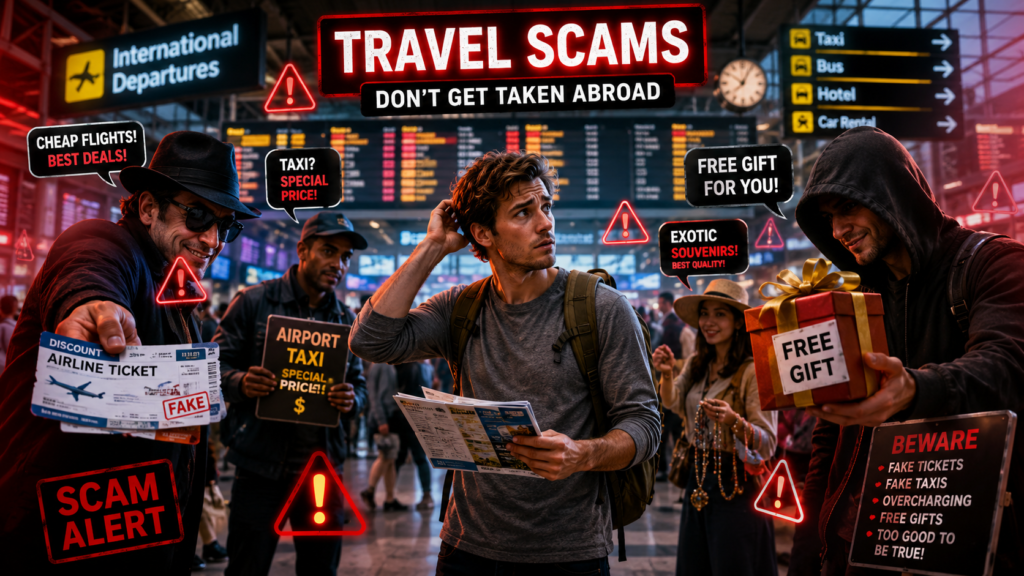
Vibrant, eye-catching illustration showing a confused tourist with a backpack standing in a busy international airport, surrounded by shadowy figures offering fake tickets, fake taxis, and “free” gifts. Red warning icons and scam alert symbols float around. Dramatic lighting with a mix of travel excitement and cautionary red tones.
Build a Stress-Proof Planning System
The antidote to the planning paradox is structure with boundaries. Create a simple template you reuse for every trip: one spreadsheet for budget, one for itinerary, and a master checklist. Set a firm “research cutoff” dateafter that, no more scrolling. Book flexible tickets and accommodations with free cancellation whenever possible.
Limit yourself to 3–5 solid options per category instead of comparing dozens. Trust that “good enough” is often perfect for travel.
Embrace Uncertainty with the Right Mindset
Shift from “I need everything to go perfectly” to a “flexible adventure” mentality. Build buffers: add extra time between connections, set aside a contingency fund, and leave a few days unscheduled. Practice pre-trip visualization spend 5–10 minutes imagining yourself handling challenges calmly.
Simple mindfulness techniques (box breathing, grounding exercises) can lower anxiety when things inevitably don’t go according to plan.
Simplify Logistics & Packing
Adopt the capsule wardrobe approach: 7–10 versatile, mix-and-match pieces in neutral colors that work for multiple occasions and climates. Use a minimalist “essentials-only” packing list you refine over time. Rely on tech apps like Google Maps (offline), Flightradar24, Nomad List, and cloud backups of all documents.
Remember: if you forget something minor, you can almost always buy it at your destination.
Protect Your Energy & Mental Health
Schedule intentional downtime and rest days. Say no to the temptation of packing every hour with activities. Set boundaries: limit work emails and curate your social media consumption while traveling.
Consider slower travel fewer destinations, deeper experiences. Quality almost always beats quantity when it comes to memorable, low-stress trips.
Advanced Tips for Frequent Travelers
Develop personal travel rituals: the same carry-on setup, a favorite playlist for flights, or a consistent morning routine in hotels. After each trip, do a quick reflection: What caused the most stress? What worked well? Adjust your system accordingly.
Choose all-inclusive resorts for high-stress periods when you want minimal decisions, or independent travel when you crave freedom and discovery.
Real-Life Transformation Stories
Sarah, the Solo Traveler: She used to arrive at destinations exhausted from over-researching. After adopting decision deadlines and a capsule wardrobe, her last trip to Portugal felt liberating instead of overwhelming.
The Thompson Family: Constant arguments over activities made family vacations draining. They started building in rest days and letting each family member choose one activity per destination. Their last trip became genuinely enjoyable for everyone.
Michael, the Business Traveler: Jet lag and back-to-back meetings left him burned out. By adding buffer days and airport meditation routines, he now returns from trips energized rather than depleted.
Conclusion
Travel feels stressful mainly because of planning overload, uncertainty, logistical pressure, and unrealistic expectations. But these triggers don’t have to define your journeys. With better systems, a flexible mindset, and intentional energy protection, travel can become genuinely restorative again.
You no longer have to accept that travel feels stressful you can make it joyful again. Start small: pick just two or three strategies from this article for your next trip and notice the difference.
Frequently Asked Questions
Why does travel feel stressful even when I’m looking forward to it?
Anticipatory anxiety, decision overload, and fear of the unknown activate your stress response even before you leave. Recognizing this pattern is the first step to managing it.
How can I stop overplanning my trips?
Set strict research time limits, use decision deadlines, and accept that “good enough” plans often lead to the best experiences. Focus on 2-3 must-dos per destination instead of filling every moment.
What’s the best way to handle flight delays and travel disruptions?
Build generous buffers into your schedule, download offline entertainment, and practice breathing exercises. Remember: delays are temporary, and flexibility turns setbacks into unexpected adventures.
Is solo travel more stressful than group travel?
It can be, due to loneliness or safety concerns, but it can also be more freeing. The key is thorough preparation, joining group activities when desired, and maintaining connection with loved ones back home.
How do I make travel relaxing instead of exhausting?
Travel slower, schedule rest days, protect your energy by limiting screen time, and focus on experiences rather than checking off lists. Quality over quantity almost always wins.